

PCT100 Creators: Messages in Beads
Learn how to create beaded and textile responses using colour, pattern and symbolism to express memories, hopes and messages. With Nomakhwezi Becker.
Learn how to create beaded and textile responses using colour, pattern and symbolism to express memories, hopes and messages. With Nomakhwezi Becker.
From photography and film to screen printing and poetry writing, these sessions offer the chance to respond creatively to what you discover in the museum and its collections. Your work will then form part of a special community exhibition opening in October 2026.
Inspired by the museum’s collections of Zulu beadwork and adornment, this creative drop-in session explores how materials can communicate stories, emotions and identity.
You’ll create small beaded or textile responses using words, colours, patterns and symbols to express memories, hopes, relationships or personal messages. Drawing on traditions of beadwork as a form of communication, you’ll consider how meaning can be carried through objects, adornment and craft.
Created pieces can be taken home, worn, gifted or added to the collective exhibition installation, becoming part of an ongoing conversation between you and the museum collection.
No experience needed. Suitable for ages 7 years and over.
Thursday 27 August
Drop-in from 11am to 2pm (times subject to change)
All drop-ins are included with standard admission to the museum, house and gardens. Simply book tickets for 27 August to take part.
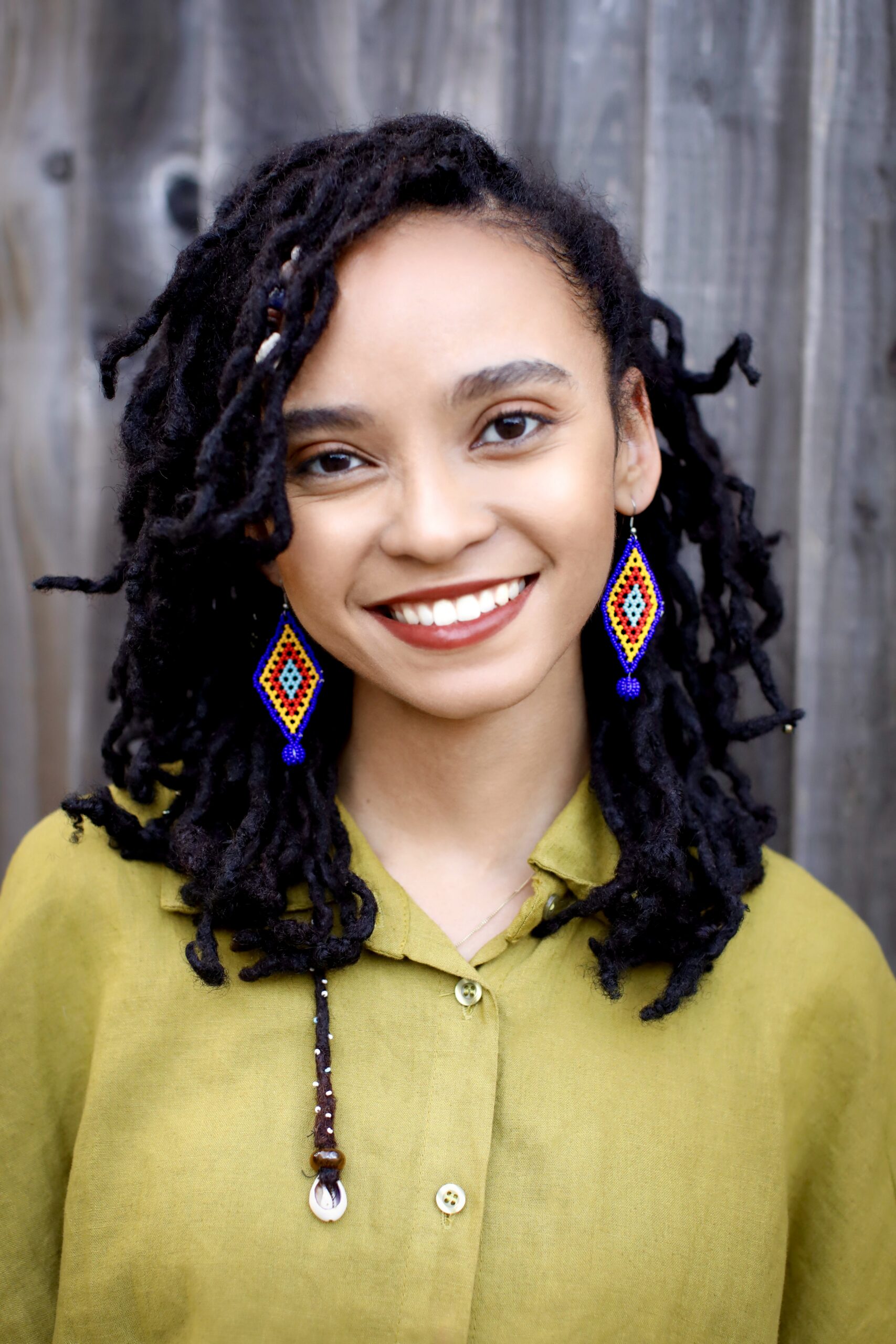
Nomakhwezi is a South African–German interdisciplinary artist and facilitator working across theatre, poetry, and storytelling. Her work has been platformed at major cultural institutions including the Barbican Centre, Southbank Centre, British Academy, Westminster Abbey, and the National Arts Festival (where she received an Ovation Award in 2019).
Rooted in the Call and Response tradition of South African storytelling that raised her, Nomakhwezi’s practice explores how performance can foster dialogue and connection across borders of language, culture and geography. She creates in English shaped by Zulu, Xhosa, and German, drawing on inheritance and “in-betweenity” as a generative space for exploring belonging and memory.
Whether you want to join a guided tour, explore the museum at your own pace, or just wander and see what you find, you can plan your day your way. Discover something new with each visit.
Answer a few simple questions to plan your day out and get recommendations of things to see!
