

Explore our galleries
Discover everything you can see and do in our eight galleries
Discover everything you can see and do in our eight galleries
They contain over 300 animals from more than 150 species, in sculpted and painted settings of astounding detail. Built between 1896 and 1939, these displays are of enormous historical importance in themselves.
The specimens within the dioramas are of huge scientific value, as they include examples of animals that are now critically endangered, such as the northern white rhino.
The taxidermy is of very high quality and anatomical accuracy. This was produced by the eminent London firm Rowland Ward Ltd, using notes and photographs by Percy Powell-Cotton based on his observations of the animals in the wild.
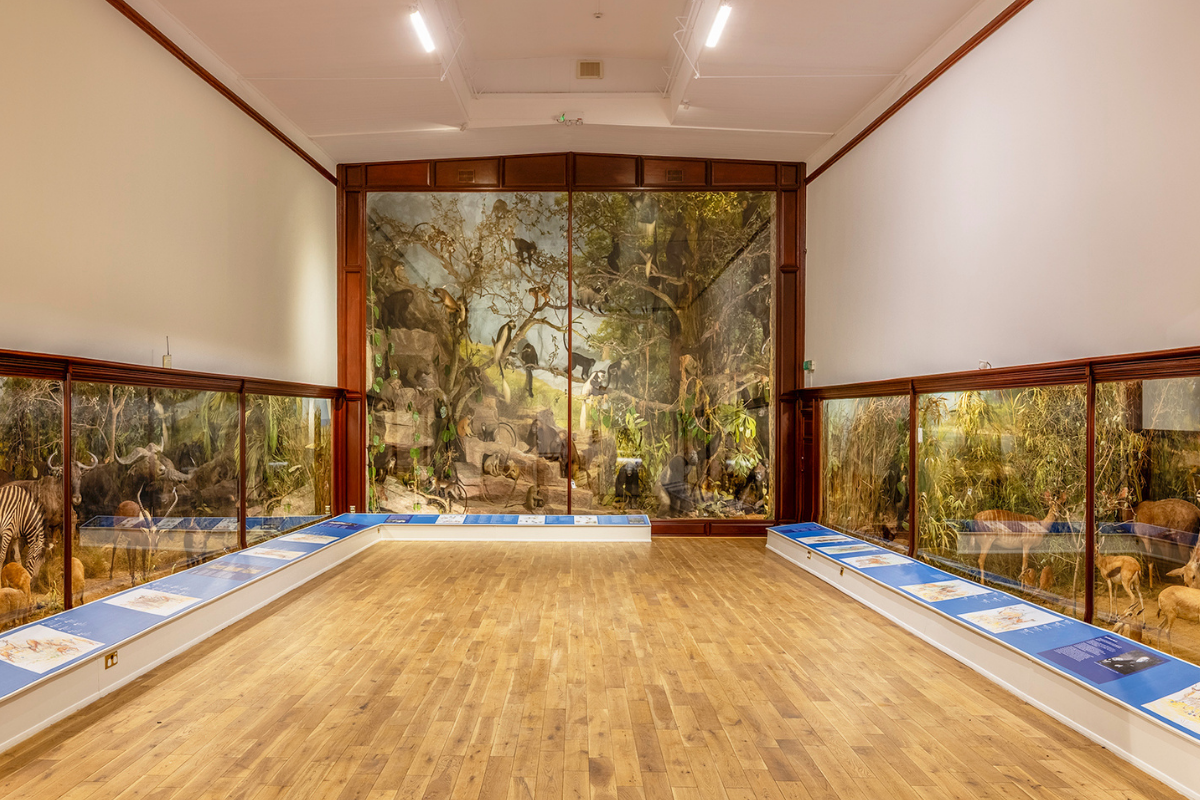
Home to the most recent dioramas (created from the 1930s onwards), this gallery is a showcase of mammal diversity and the taxidermist’s skill in recreating life-like poses. Three walls are taken up by four different dioramas.
Along the left wall, an African savannah landscape merges into a tropical forest, showing mammals of all sizes. In the central wall diorama, the diversity of African monkeys and apes is shown.
The right wall is split into two displays: the smaller diorama shows a scene in an Indian jungle, including our popular tiger, and the larger one shows African desert animals.
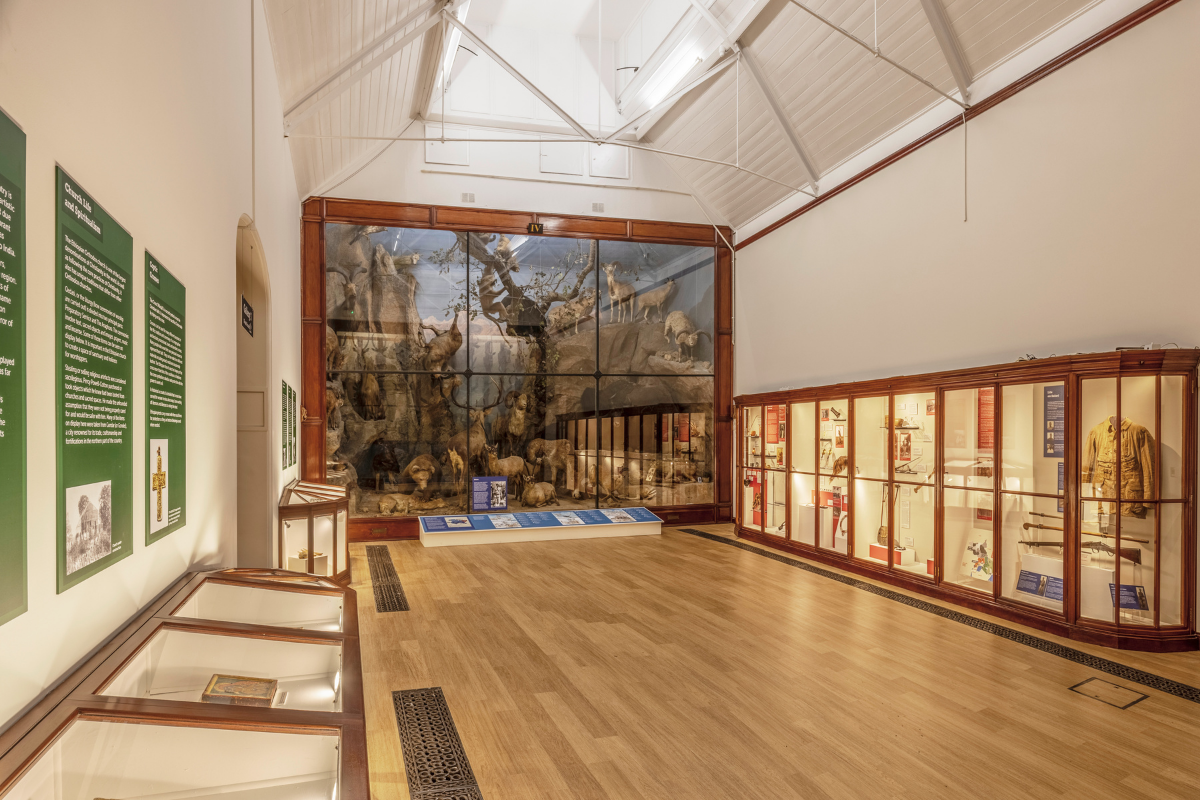
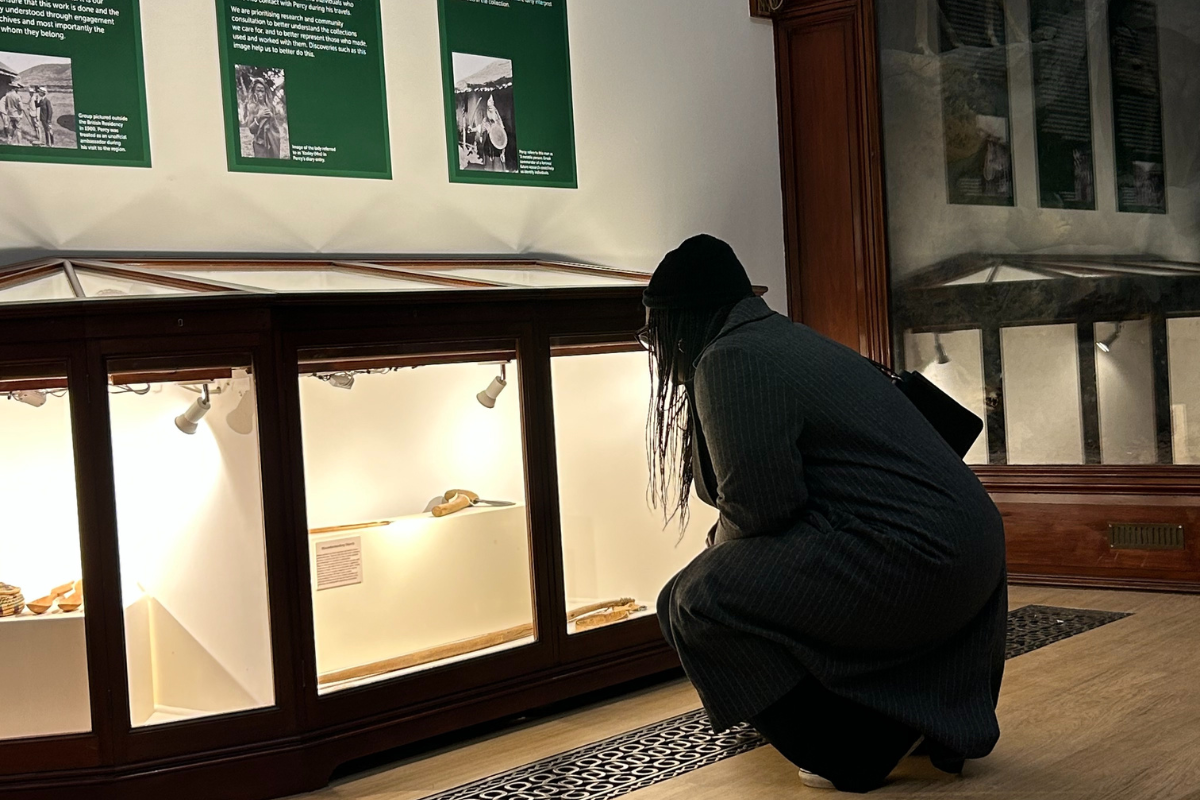
This was the museum’s first gallery and reflects the collecting traditions of the late Victorian period. Trophy heads, common at the time, were meant to show a hunter’s status and skill.
Look for the Kashmir diorama, the museum’s oldest, which shows animals from the Himalayan region.
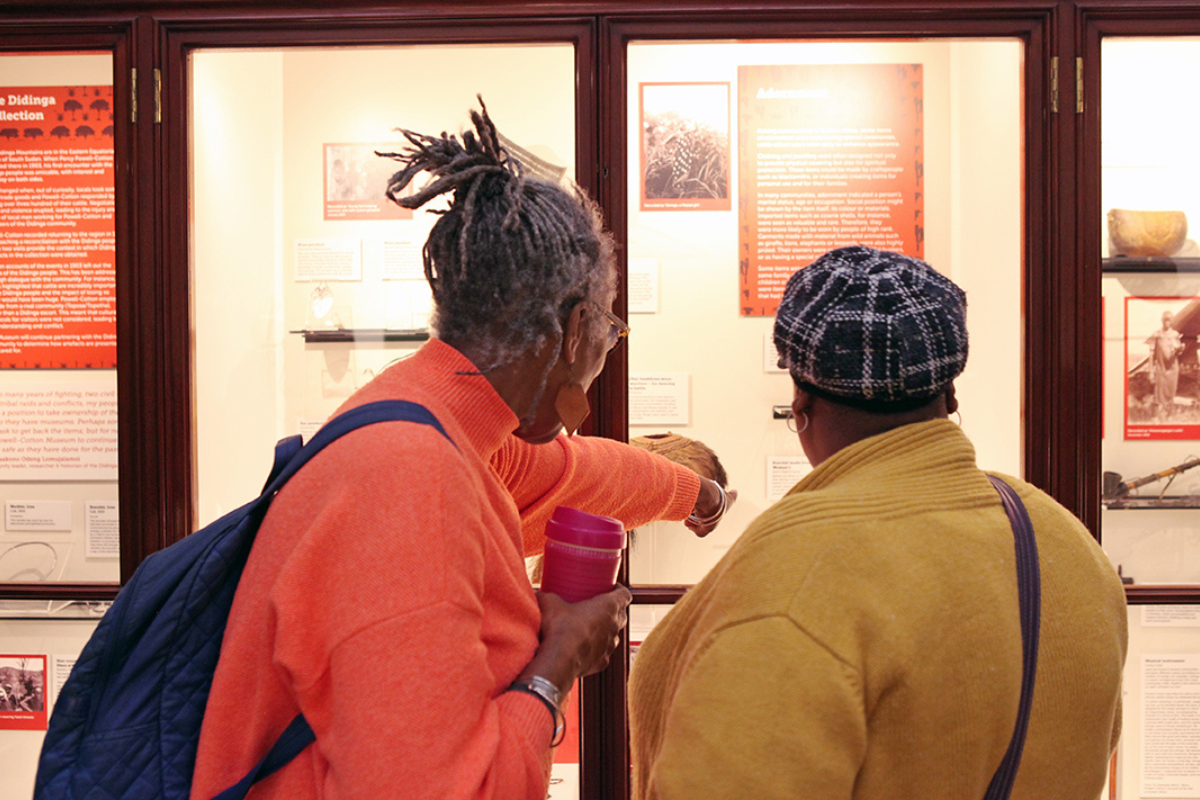
This space also showcases a display of East African artefacts, bringing long-overlooked stories to the forefront. The objects come from communities in Kenya, Uganda and South Sudan, and include jewelry, clothing, musical instruments, and items from daily life.
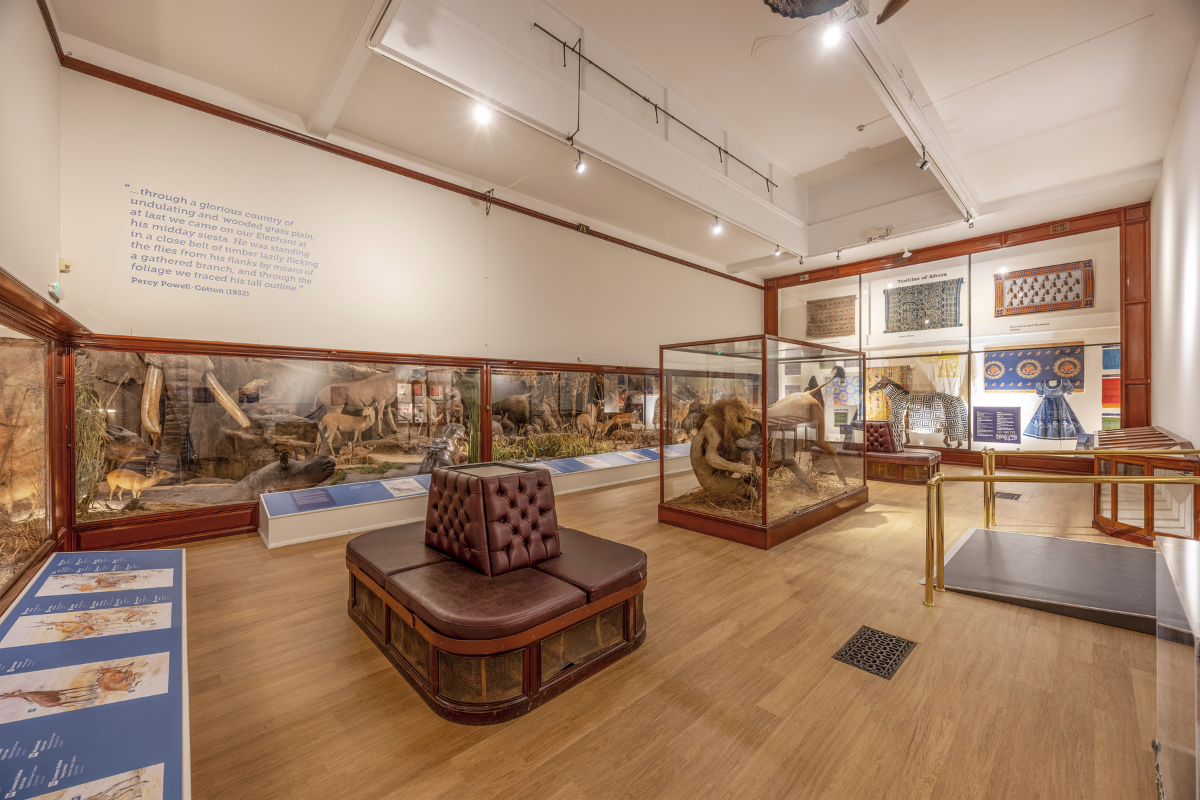
This dramatic gallery showcases iconic African animals, from elephants, giraffes and rhinoceros to lions, antelopes and smaller mammals. Two walls are filled with expansive dioramas, while the lion and buffalo display in the centre continues to captivate visitors of all ages. Ask our team to learn about the story behind this eye-catching display.
Along with the wildlife you’ll also see our new Reframing the Zulu Collection exhibition, part of our textile collection, with both historical and modern examples, and a small collection of ethnographic items from southern African cultures.
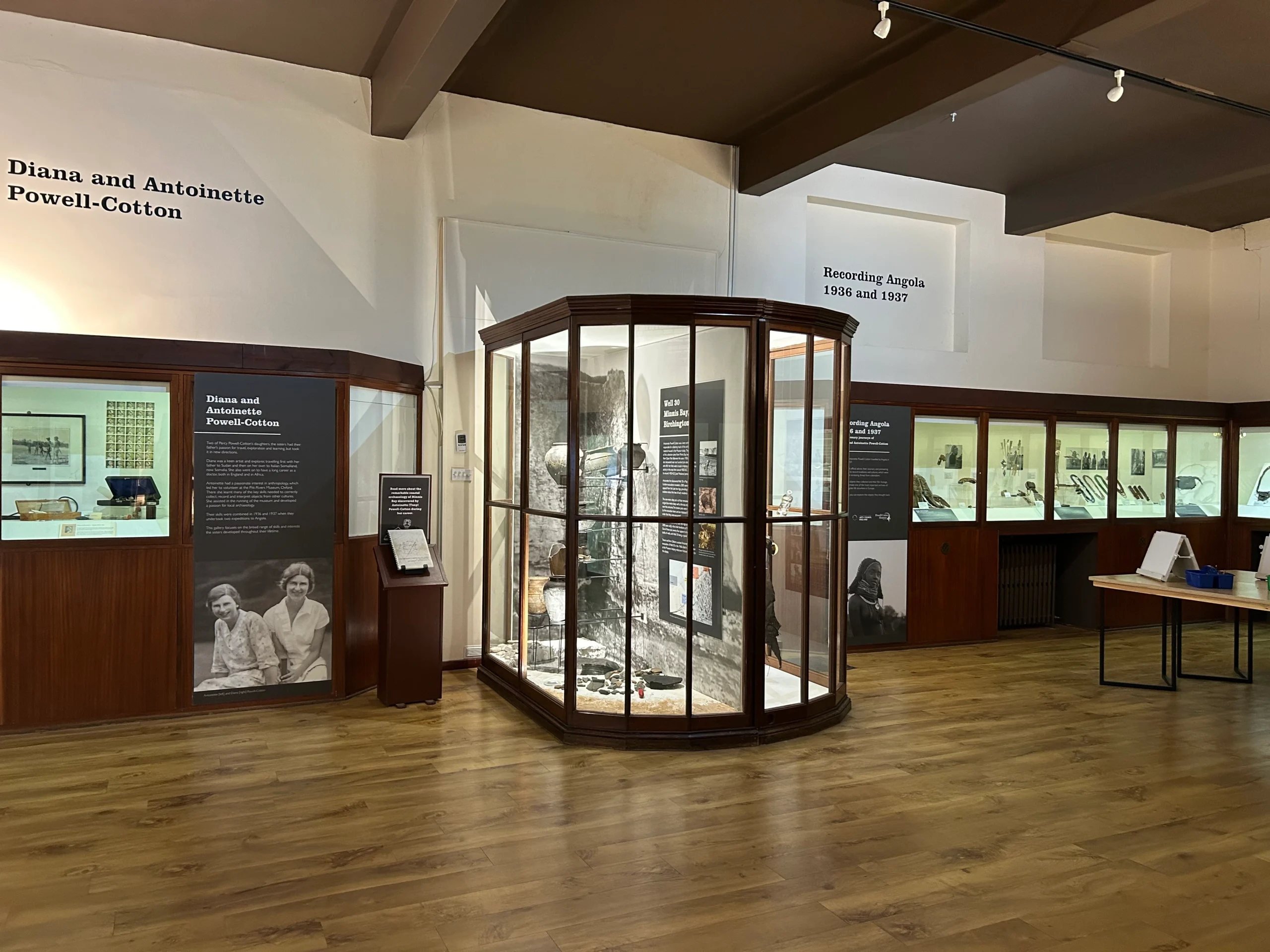
This gallery focuses on the work of sisters Diana and Tony (Antoinette) Powell-Cotton, who began working independently from their father, Percy, in the 1930s.
You’ll see historic objects from the border region of Angola and Namibia that offer insight into everyday life, particularly the lives of women and children. On the left, you will find our contemporary display of traditional Namibian clothing, jewellery and a doll, all specially commissioned for our museum.
In the center of the gallery, see finds from Tony’s archaeological digs at Minnis Bay, just a few minutes from the museum.
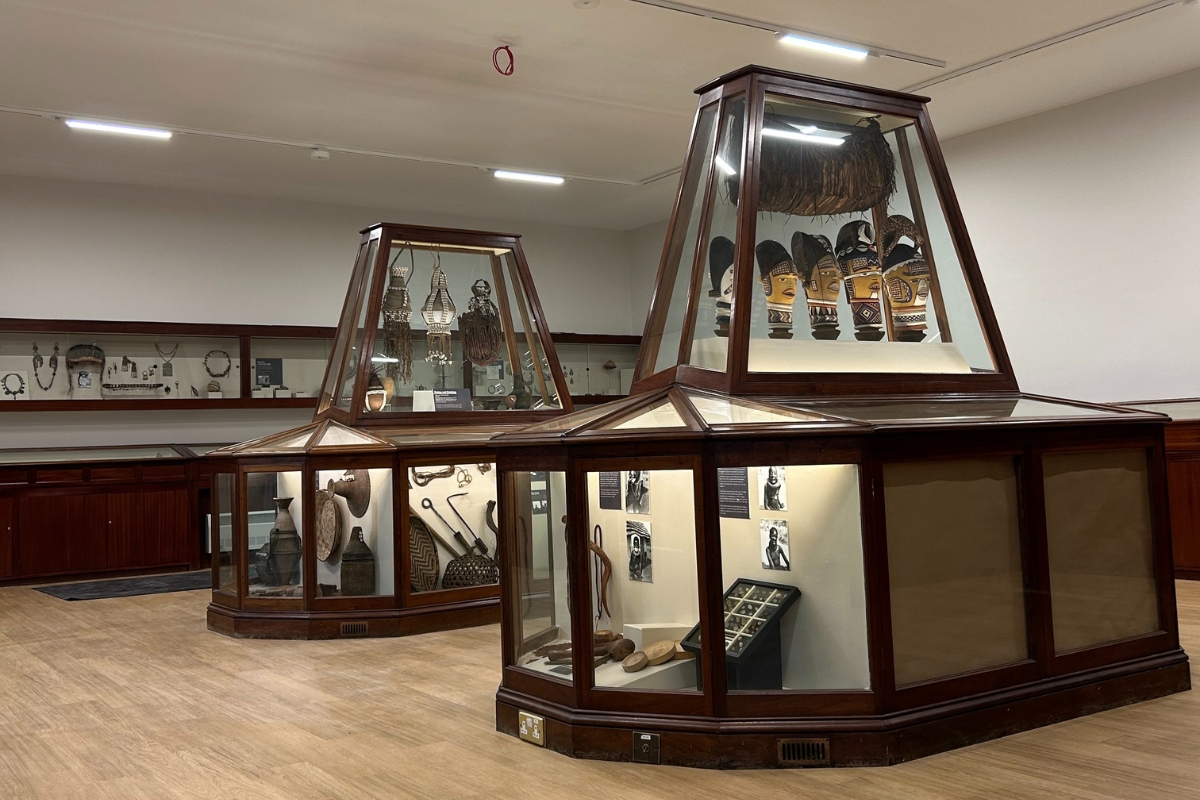
See objects from northern and eastern Africa, including jewellery from the Maghreb, bronze work from the Kingdom of Benin, and fishing tools from the Bajuni Islands.
These objects are supported by rich archives of photographs, documents and film, offering rare context and depth. Some archival materials are displayed here, while others can be explored through our Somali Photo Archive.
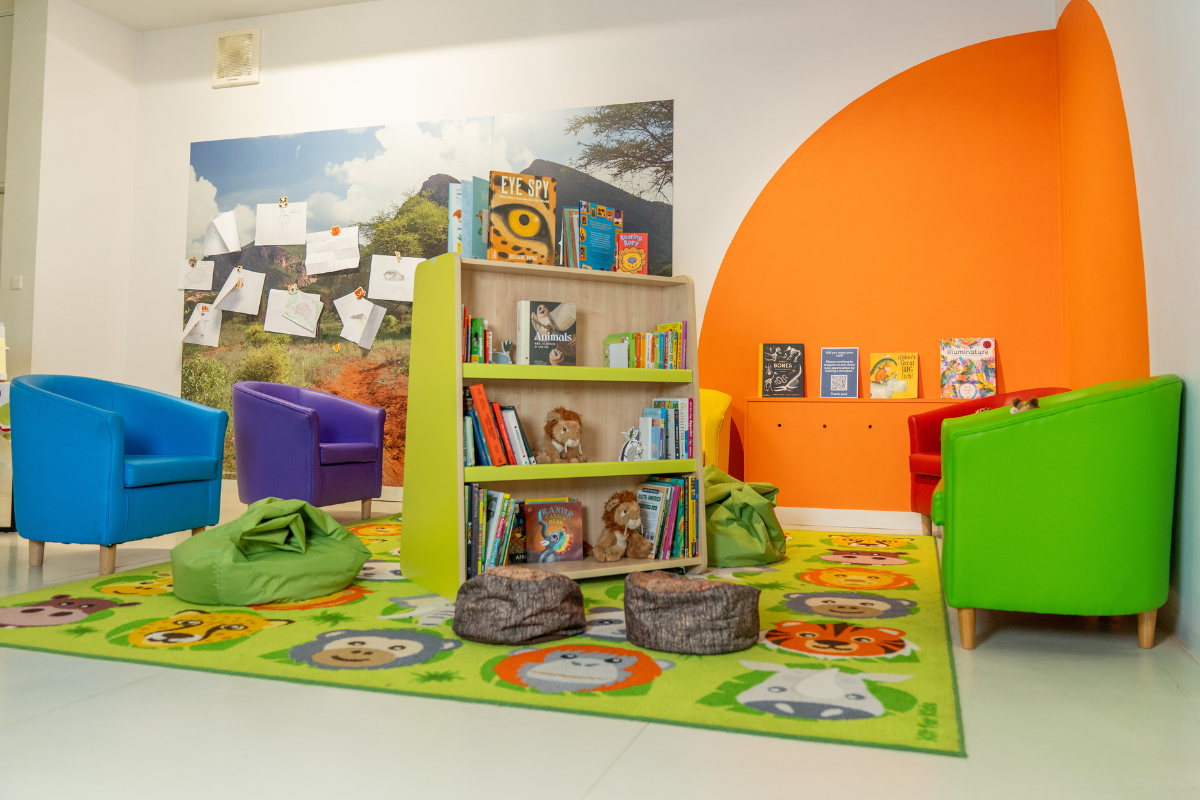
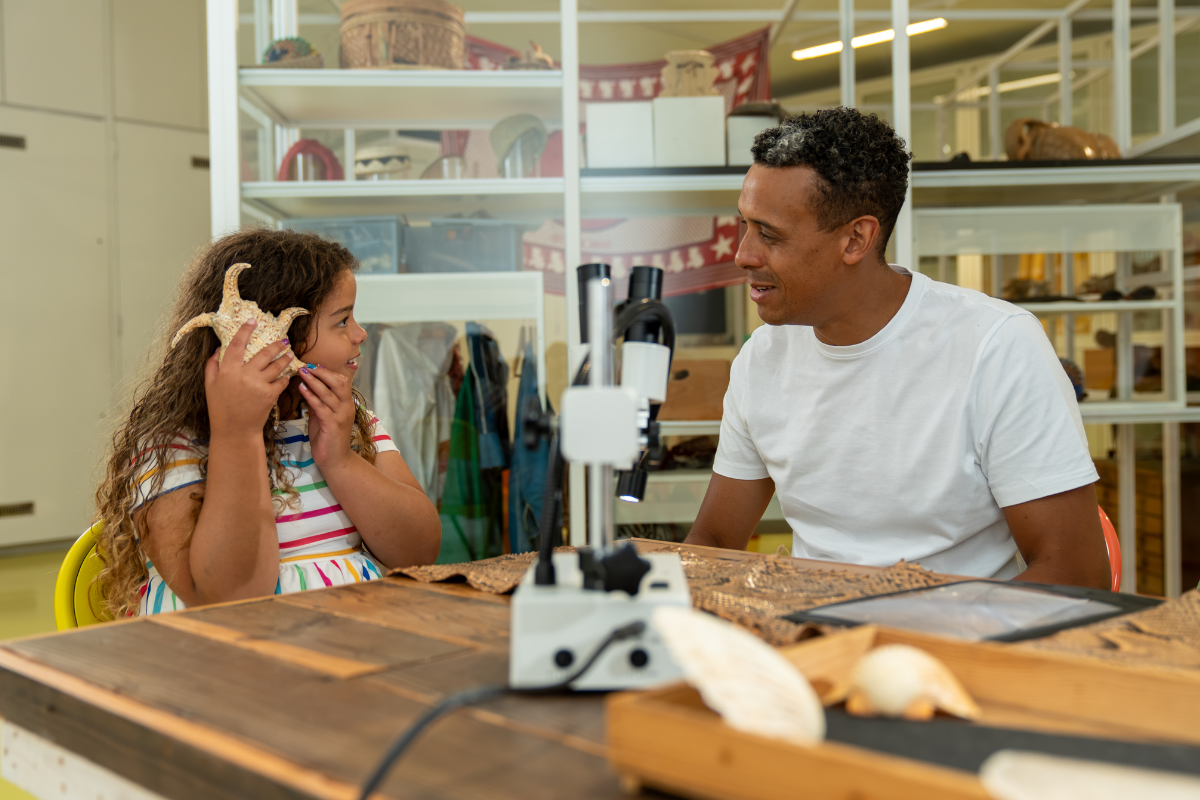
Designed especially for families and curious minds, our interactive gallery invites visitors to learn through hands-on exploration. Handle real objects, peer through microscopes, browse our books or get creative with arts and crafts.
You’ll also find displays showcasing projects created by schools and home-educating groups.
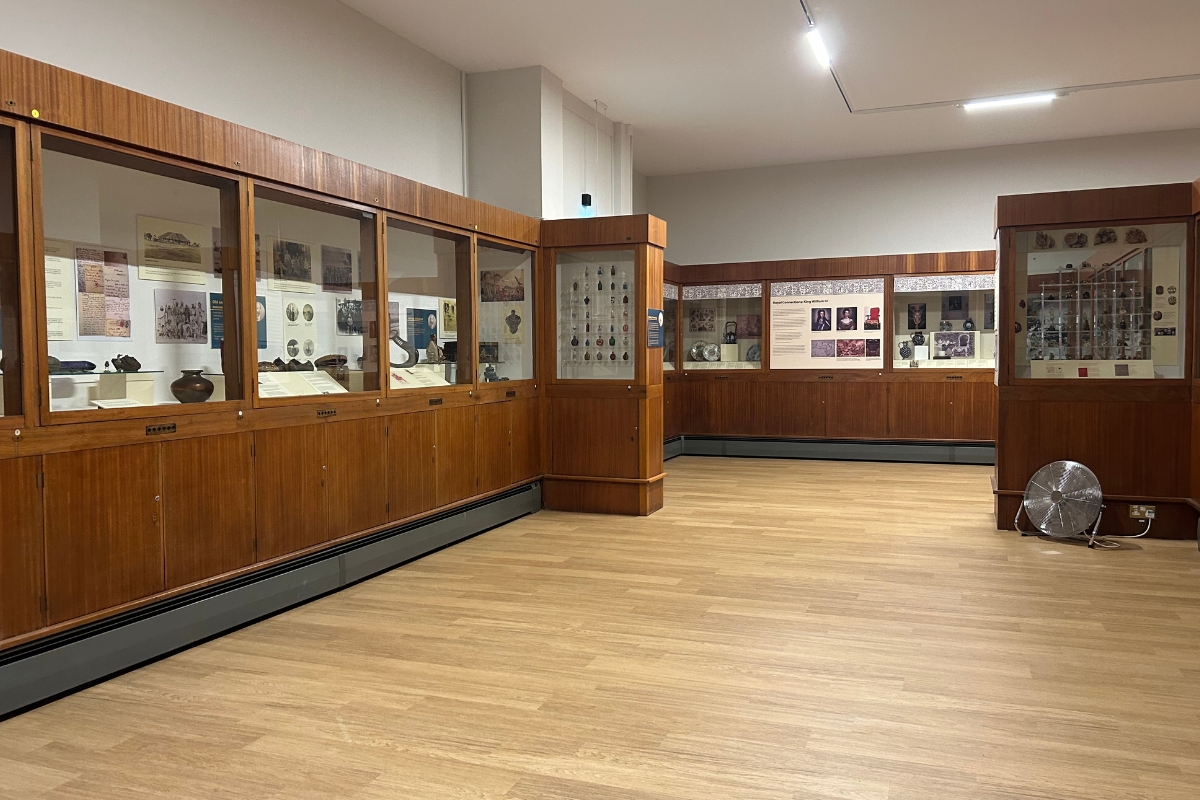
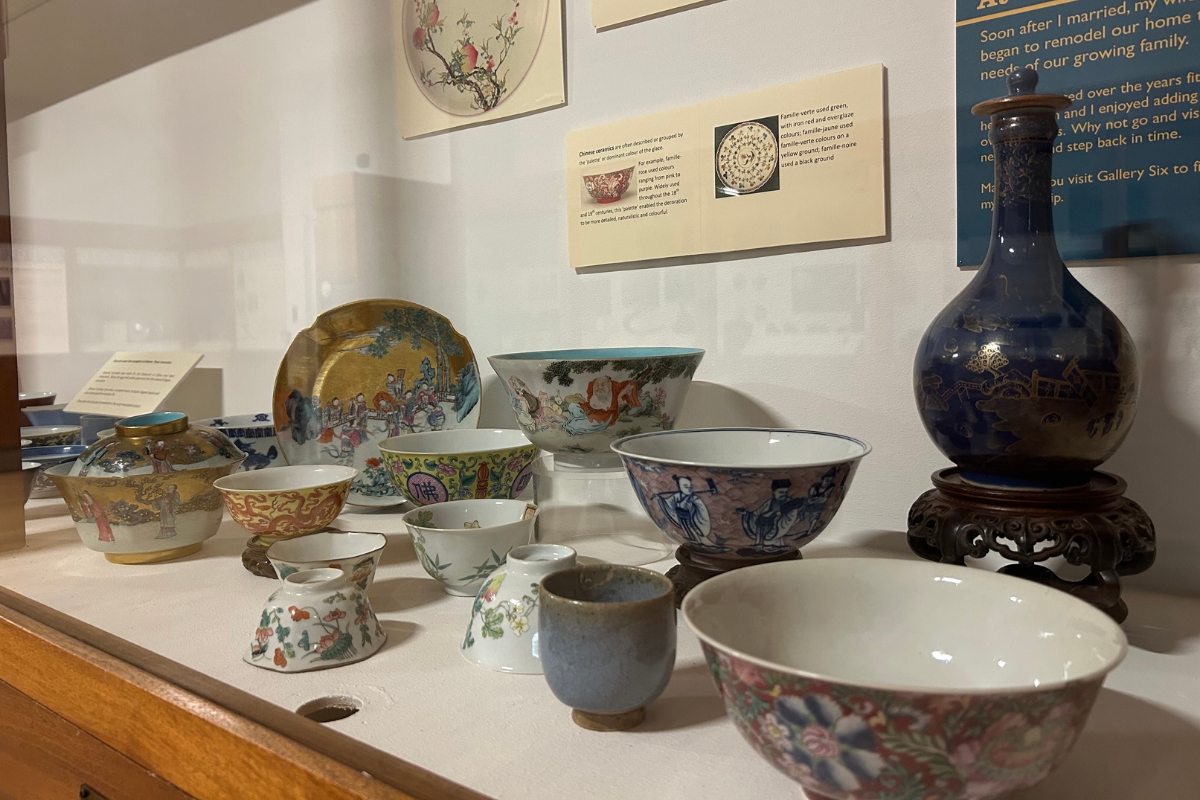
This gallery has two parts: it shows beautiful Chinese and Japanese ceramics and tells the story of life at Quex.
Learn why porcelain was valued around the world and follow Percy Powell-Cotton’s travels in East Asia, illustrated with photos from our archive.
In the second part of the gallery, you can read about the families who lived on the Quex estate, how they changed it, and where you can still see their influence.

Our temporary exhibition gallery is a place for change, reflection, and new ideas. It is currently being updated, but it previously explored the life and work of Florence Coombe, a writer and missionary whose Pacific collections came to the museum through a special chain of donations.
Check back often to see what’s new and what stories we share next.

