

Julia Ellen Lancaster: Artist Residency & The Sunshine Project
Connecting communities through clay, creativity and nature.
Connecting communities through clay, creativity and nature.
Supported by the AIM Connected Communities Grant through the DCMS Know Your Neighbourhood Fund and Arts Council England, the residency formed part of The Sunshine Project.
Working with clay as a tool for creativity, wellbeing and connection, Julia welcomed a wide range of participants, including young people with special educational needs, neurodivergent adults, adults with learning disabilities, volunteers, community groups and individuals experiencing social isolation.
Over the course of the year, participants explored the collections, gardens and natural environment through hands-on workshops that encouraged creativity, confidence and self-expression.

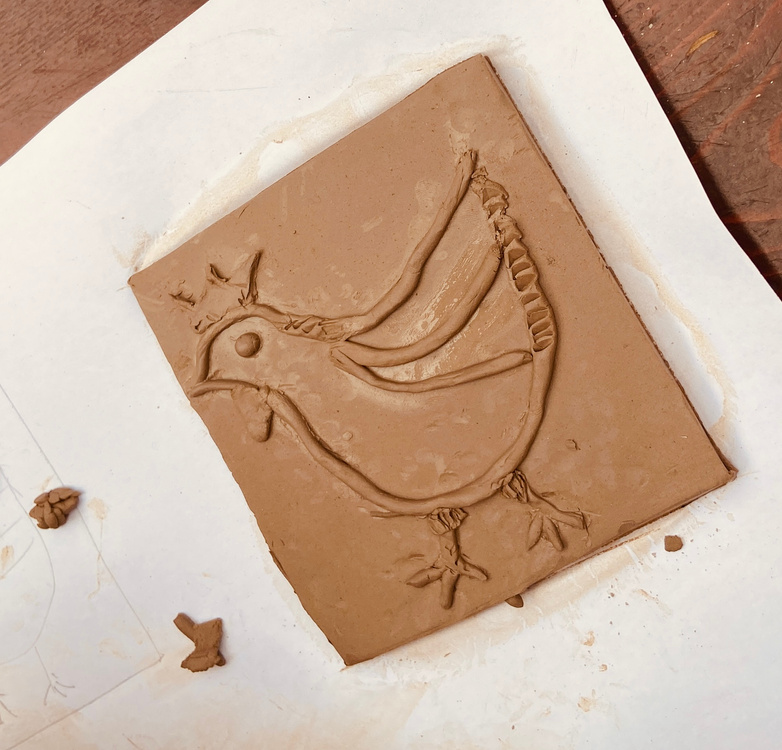
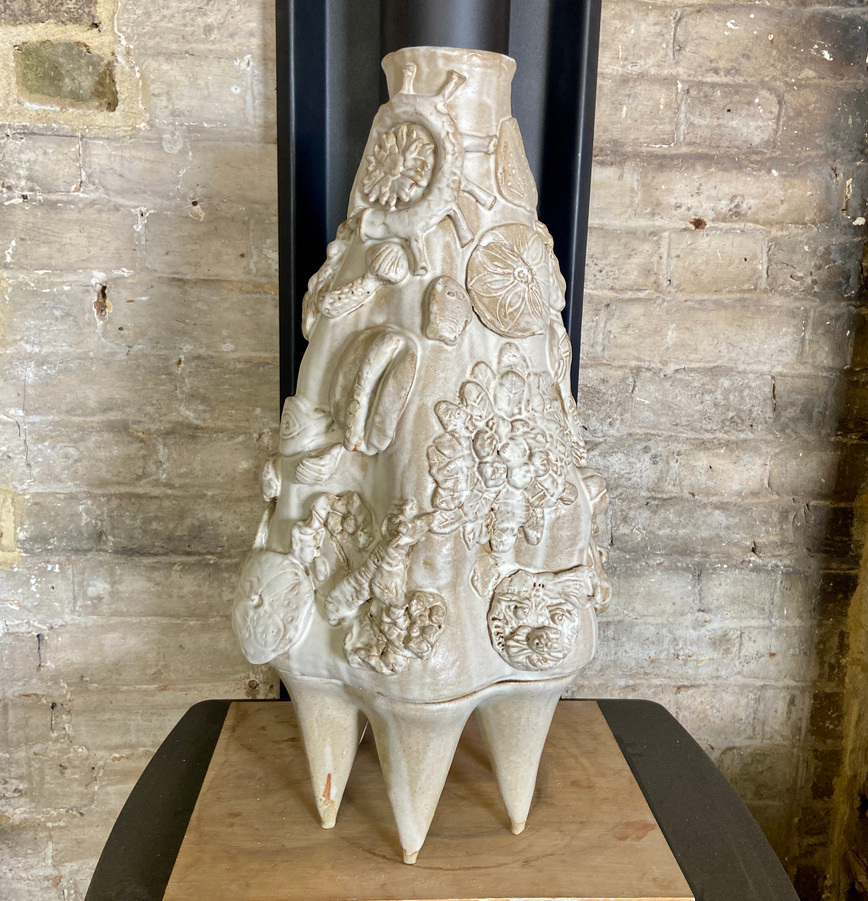
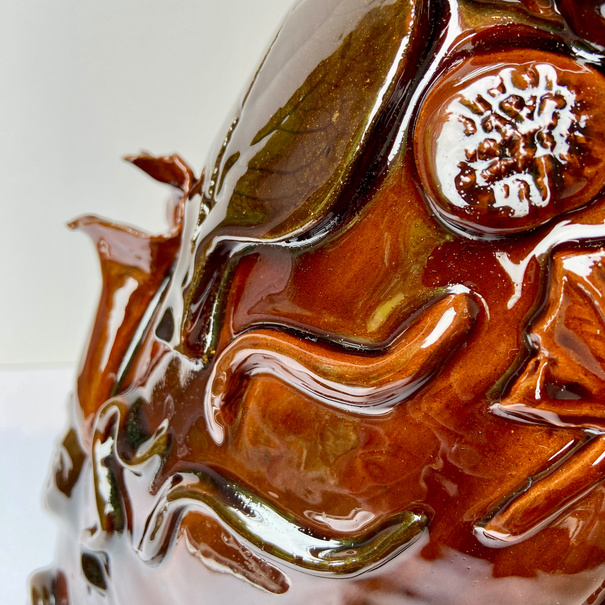
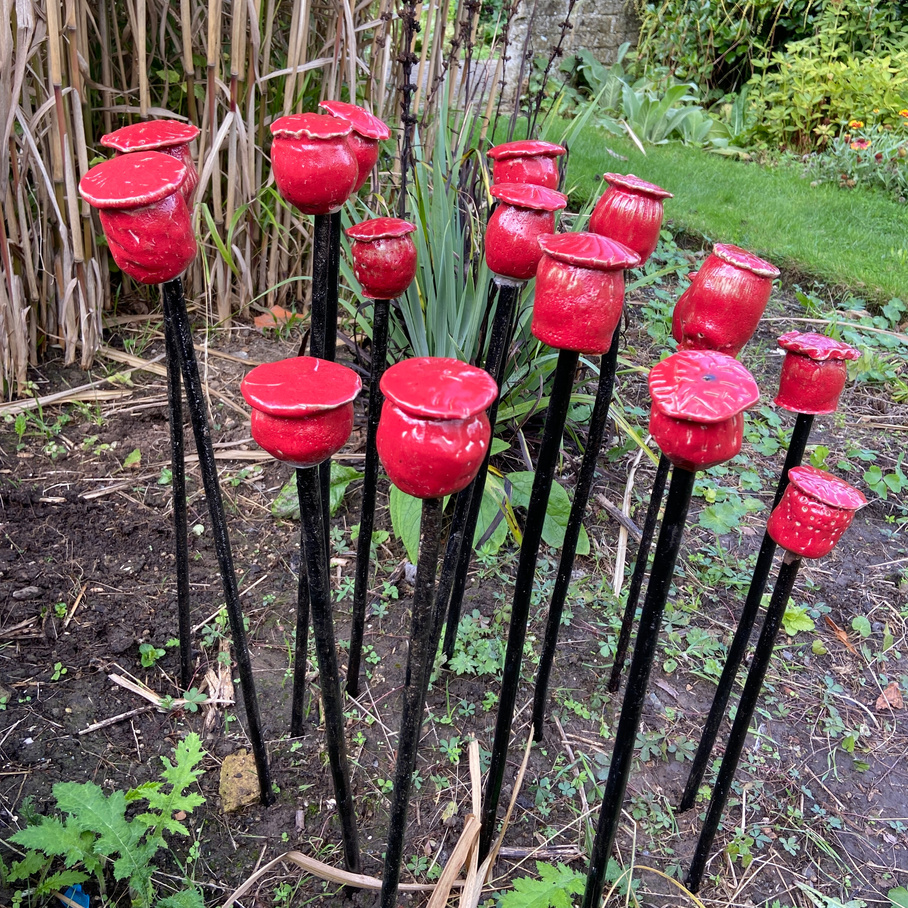
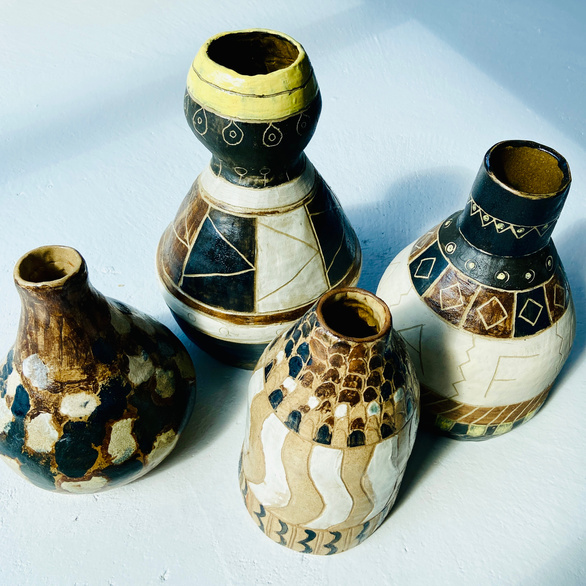
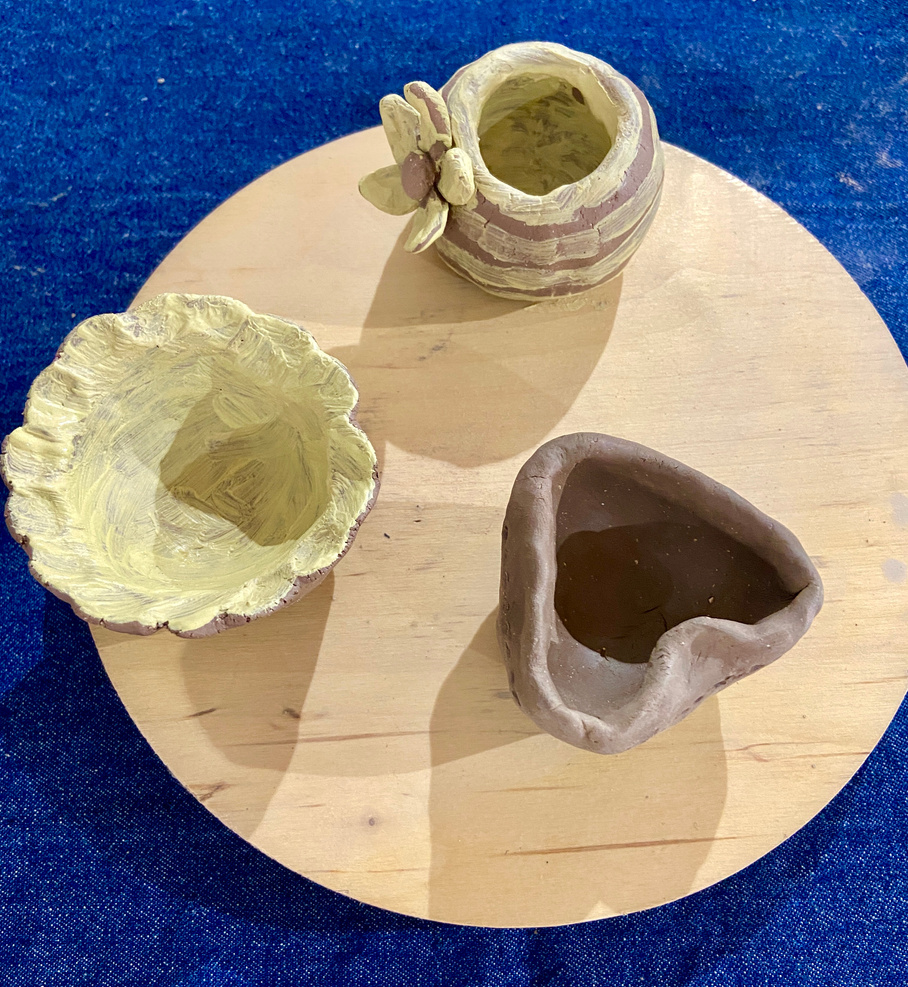
Projects included Green Man masks created with students from Forelands Fields School, contributions to the community-led Tiles of Joy initiative, collaborative pottery inspired by museum objects, ceramic poppy seed heads for the Walled Garden, pumpkins displayed during the annual Pumpkin Paths event, and workshops with community organisations including Sense, New Horizons Day Centre, Jambo African Drumming Group and The Medaille Trust.
The residency established the garden studio as a welcoming creative space while creating new opportunities for people who may not otherwise have engaged with the museum and gardens. Through making, conversation and shared experiences, participants developed new skills, built confidence and formed lasting connections with the Powell-Cotton Trust community.
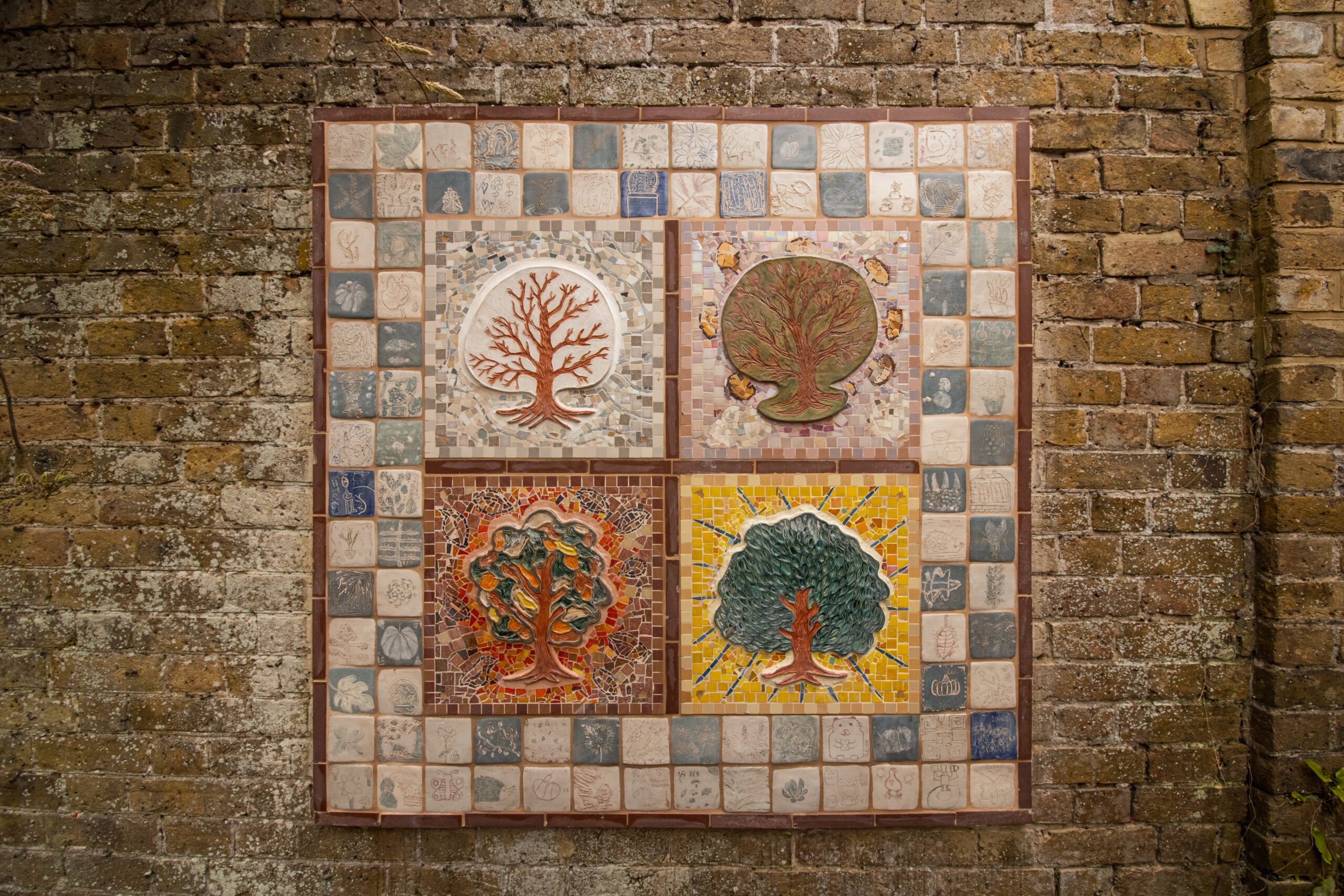
Inspired by their garden surroundings, our groups began by sketching plants, insects and garden scenes. These drawings were then carefully carved into clay tiles using a simple technique called sgraffito. Many people were trying this for the first time and quickly grew in confidence – discovering new skills and enjoying the process of making something by hand.
As the weeks progressed, we moved on to colourful mosaic work. Using small tiles, everyone designed and made their own pieces, reflecting the history of the walled garden. Julia brought these together to create a beautiful, lasting mosaic for everyone to enjoy.
Developed by Julia Lancaster and Rosie Carr, Sound & Clay explored the relationship between listening, touch and creativity. Participants recorded sounds from around Quex Gardens before returning to the studio to listen collectively to the recordings.
Responding directly to what they heard, participants sculpted clay entirely by touch inside covered boxes, unable to see the forms they were creating. The process encouraged intuitive making, trust in sensory experience and exploration of how sound can be translated into physical form. The resulting sculptures celebrate imagination, experimentation and the creative possibilities that emerge when we engage with the world through senses other than sight.
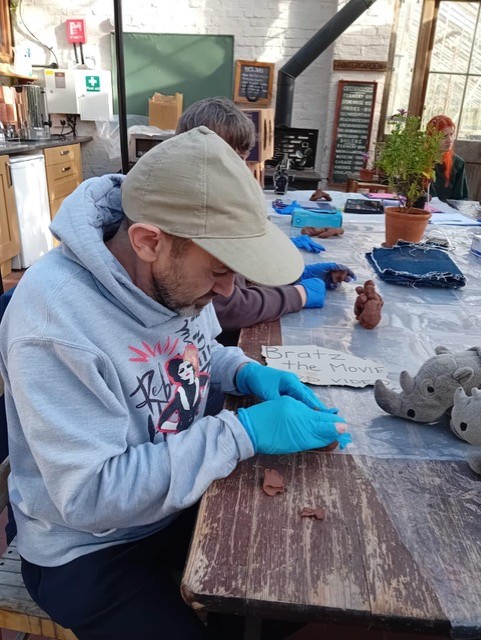
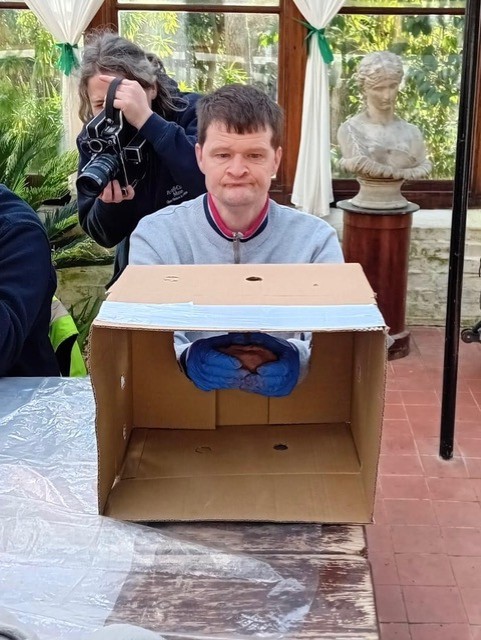
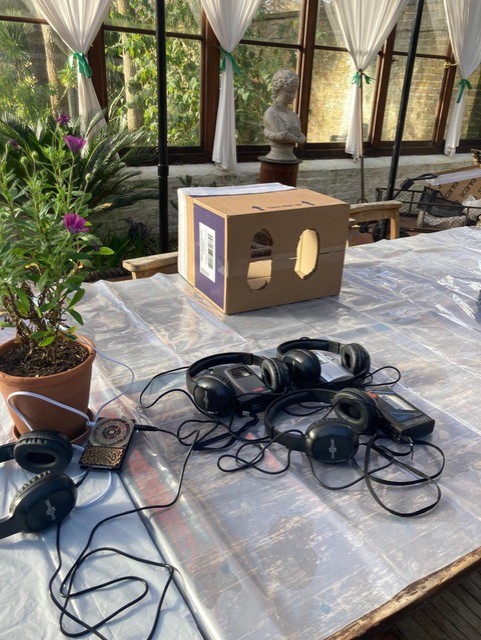
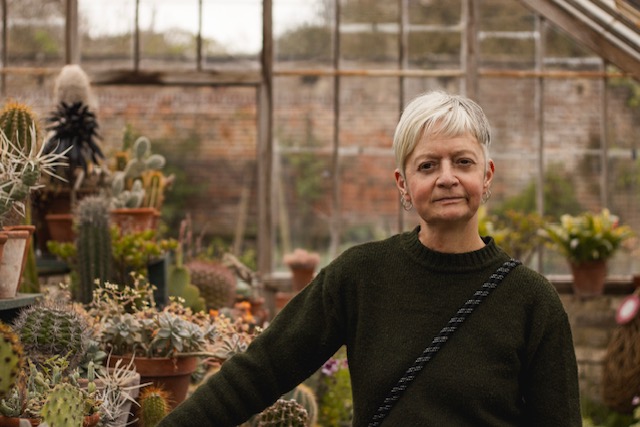
Working with communities across Thanet, she has helped participants explore the museum collections, gardens and natural environment through hands-on making. One of the most recent projects, Sound & Clay, invited participants to respond to recorded sounds from Quex Gardens using touch rather than sight, creating sculptures through intuition and sensory exploration.
In this interview, Julia reflects on her artistic practice, the inspiration behind the project and what she hopes participants and visitors will take away from these unique creative experiences.
