

East Africa Collection
Now on display in the museum, the East Africa exhibition reimagined how the Powell-Cotton Museum presents its collections.
Now on display in the museum, the East Africa exhibition reimagined how the Powell-Cotton Museum presents its collections.
The interpretation for these objects had changed very little since the 1920s, when they were first put on display. Notably absent were the stories and voices of the African communities from which the objects were acquired.
We partnered with freelance curator and writer Lucy Edematie, who is of Nigerian heritage, and formed a Community Advisory Group of six members of African and African-Caribbean heritage – Lorna Cole-Partridge, Jane Henya, Abi Lawal, Alice Mulinya, Alexandra Wright and Donna Carr – to work with us on the museum’s wider ‘Reimagining’ project.
Together with our museum team, research partners from museums in the UK and Africa and members of originating communities, we explored stories surrounding the objects and created new interpretation that acknowledges and gives voice to people in the communities of origin.
Exploring themes such as adornment and ceremony, the display shows cultural heritage materials from South Sudan, Uganda and Kenya, including jewellery, clothing and musical instruments and provides an insight into the lives and traditions of people and communities from which items came.
Funded by Arts Council England, Art Fund, Museum Development South East and the Powell-Cotton Trust.
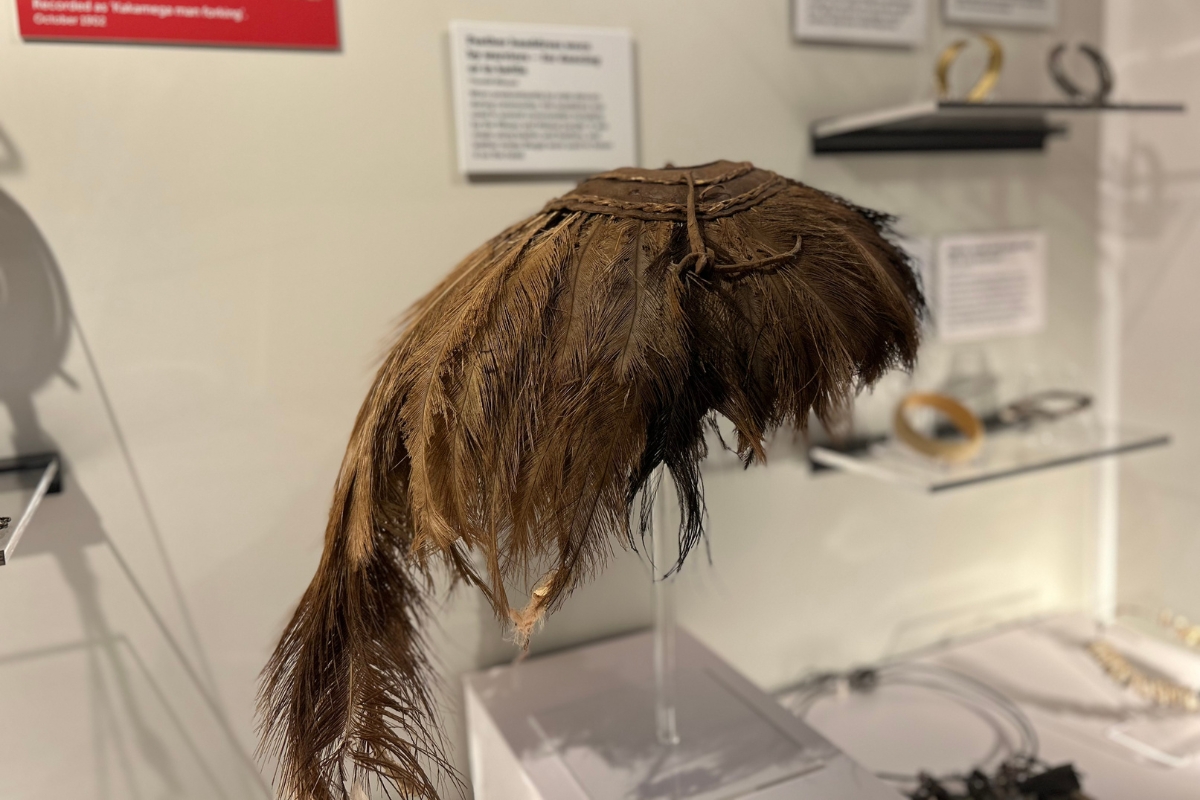
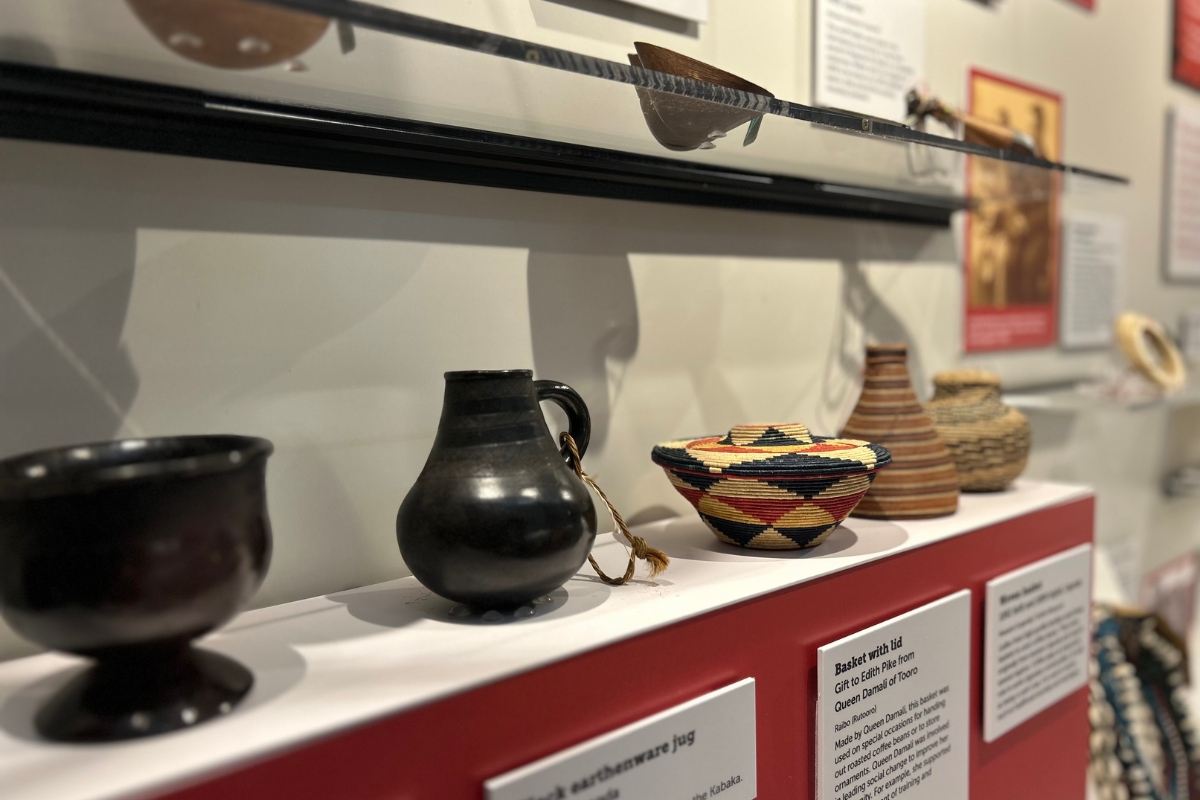
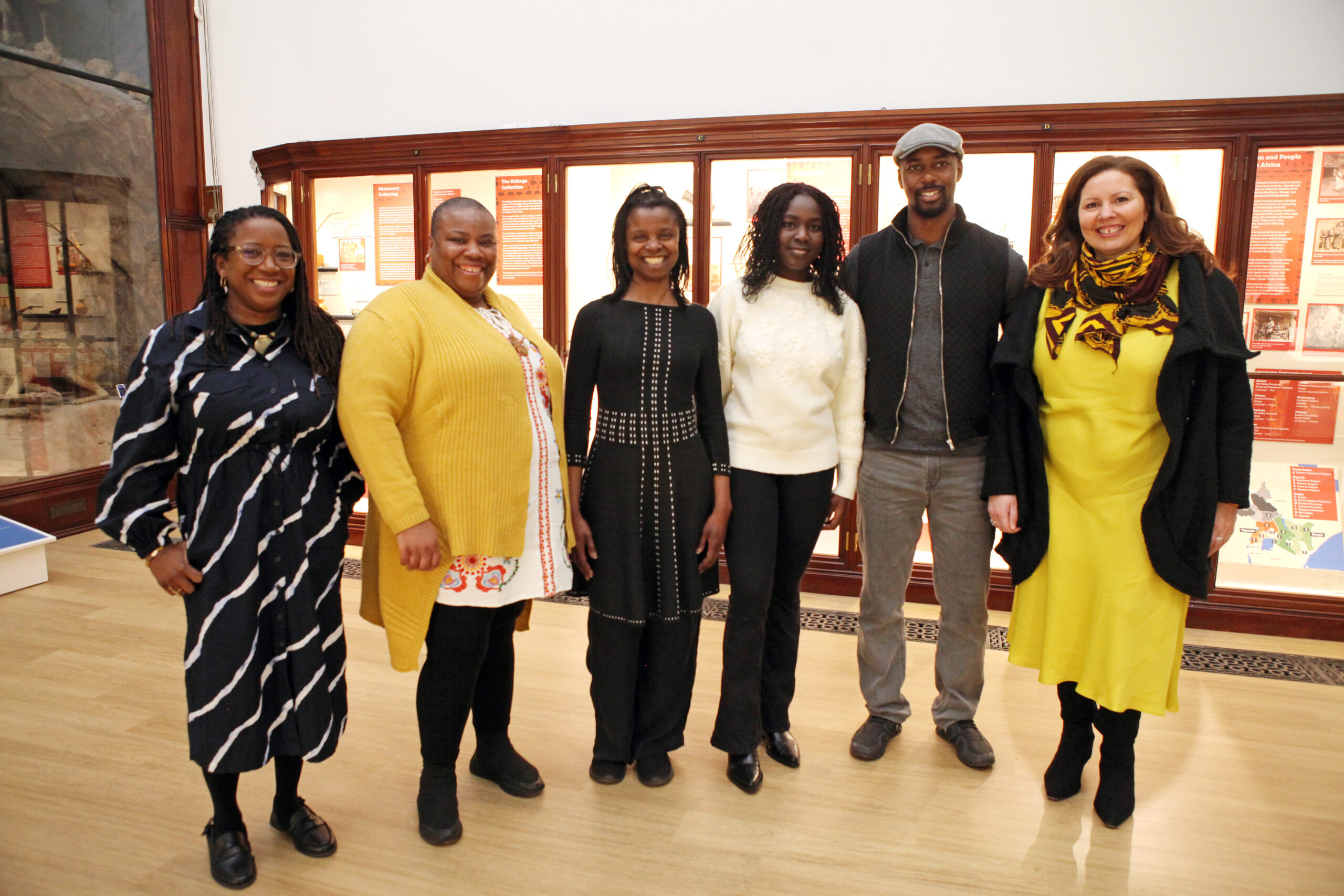
The newly reinterpreted East Africa collection is now on display in Gallery 2. Explore the stories, voices and histories behind the objects on your next visit.
The museum permanently exhibits unique natural history collections in magnificent dioramas and world material culture objects from the African and Asian continents. Visitors can also view local archaeology from the Thanet coastline.
