

Sharing Practice Across the Sector
Reflections from our Decolonisation & Practice Workshop and the Museum & Heritage Show 2026
Reflections from our Decolonisation & Practice Workshop and the Museum & Heritage Show 2026
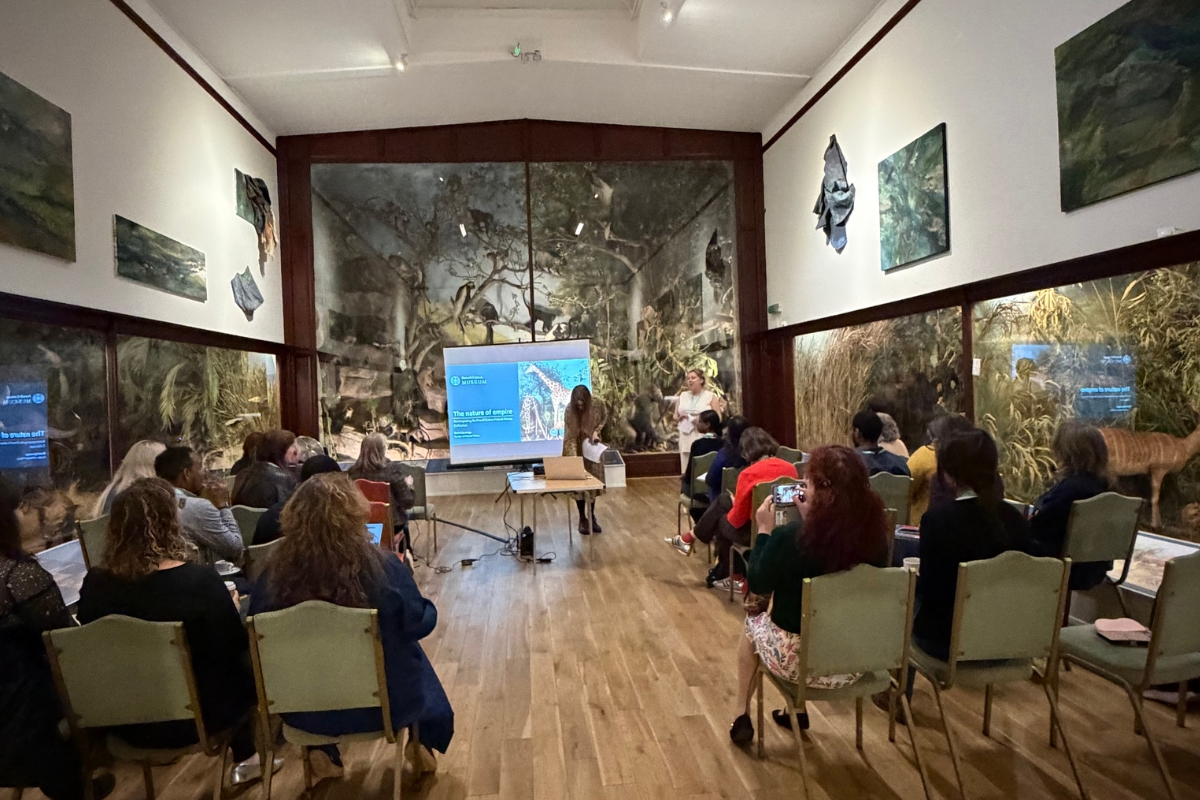
Representatives from Medway Museum, Canterbury Cathedral, UCL, UEA, Canterbury Museums, Maidstone Museum, the Pitt Rivers Museum, the National Windrush Museum, Arts Council England, and the British Museum joined us for a day of discussion, reflection, and shared learning on decolonisation practices in museums.
The day began with tea, coffee and biscuits, allowing delegates to explore the museum and meet one another before formal talks began. Head of Collections Madylene Beardmoore was joined by CEO Sarah Corn to introduce the day and provide context for the work taking place here at the museum.
Our first speaker, Zoe Cormack, spoke about a pilot exhibition project at the British Museum focused on Sudanese culture. Rather than centring narratives of violence and conflict directly, the exhibition explored how everyday life and culture are shaped by displacement and instability. Particularly moving were stories connected to food and hospitality, showing how sharing meals became acts of care and solidarity, alongside the inclusion of house keys retained by displaced people as symbols of hope and return.
Zoe also reflected candidly on the realities of working on projects connected to unfolding political situations, and the responsibility museums have to support community participants emotionally as well as creatively. These discussions prompted thoughtful conversations amongst delegates about pastoral support, audience responses to difficult histories, and the challenge museums sometimes face when presenting emotionally complex narratives.
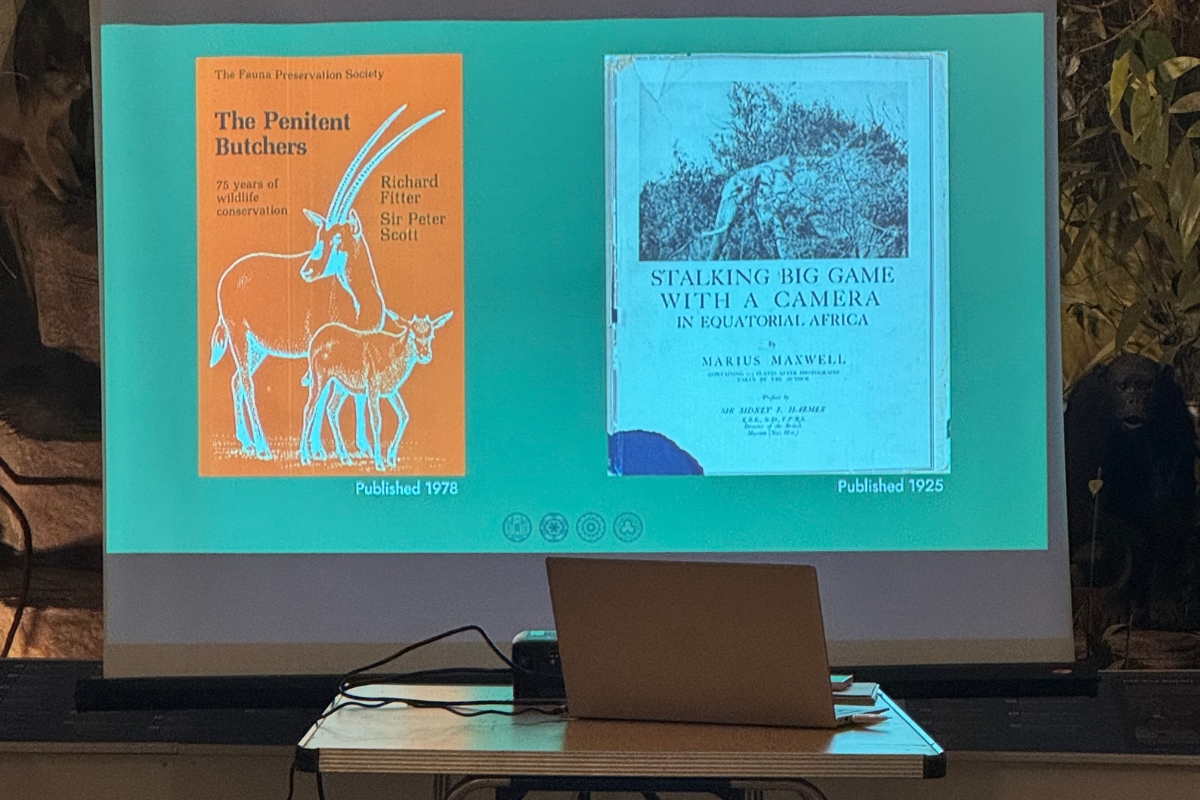
Later in the morning, our Curator of Natural History, Rachel Jennings, explored the colonial nature of many natural history collections, including the ways in which Percy Powell-Cotton and his contemporaries benefited from empire, privilege and systems of extraction. Rachel discussed the Colonial Critters reinterpretation project, which shifted focus towards highlighting the artistry of the dioramas, the scientific relevance of the collections, and the wider network of individuals whose contributions have historically been overlooked.
The discussions that followed touched on the prevalence of colonial hunting practices, the challenges of researching hidden histories, and the importance of continuing to foreground the people beyond the collector.
In the afternoon, Lucy Edematie spoke about the museum’s Decolonisation in Practice project, reflecting on both its successes and its challenges. Speaking within Gallery 2, surrounded by the newly reinterpreted displays, Lucy highlighted the importance of the Community Advisory Group and the level of commitment shown throughout the extended life of the project.
She also spoke about the value of working with a museum willing to embrace institution-wide change, rather than limiting decolonisation work to a single intervention or exhibition. Questions from delegates focused on evaluation, community responses to the changes, and how museums can communicate and share learning more openly across the sector.
The day ended with a panel discussion chaired by Powell-Cotton Trust Chair Ceri Ashley, bringing together Zoe Cormack, Rachel Jennings, Lucy Edematie and Donna Carr, former Community Advisory Group member and current Powell-Cotton Trust Trustee. Conversations explored how museums can embed this work long term, how guidance and shared resources might support other organisations beginning similar journeys, and how responses differ between material culture and natural history collections. There were also important discussions around the role museums play within local political landscapes, and how we navigate this.
It was a thoughtful, challenging and inspiring day, and we are incredibly grateful to everyone who contributed their time, expertise and experiences. A huge thank you to our speakers, panellists, delegates, organisers and operations team for such open, generous and thought-provoking conversations throughout the day.
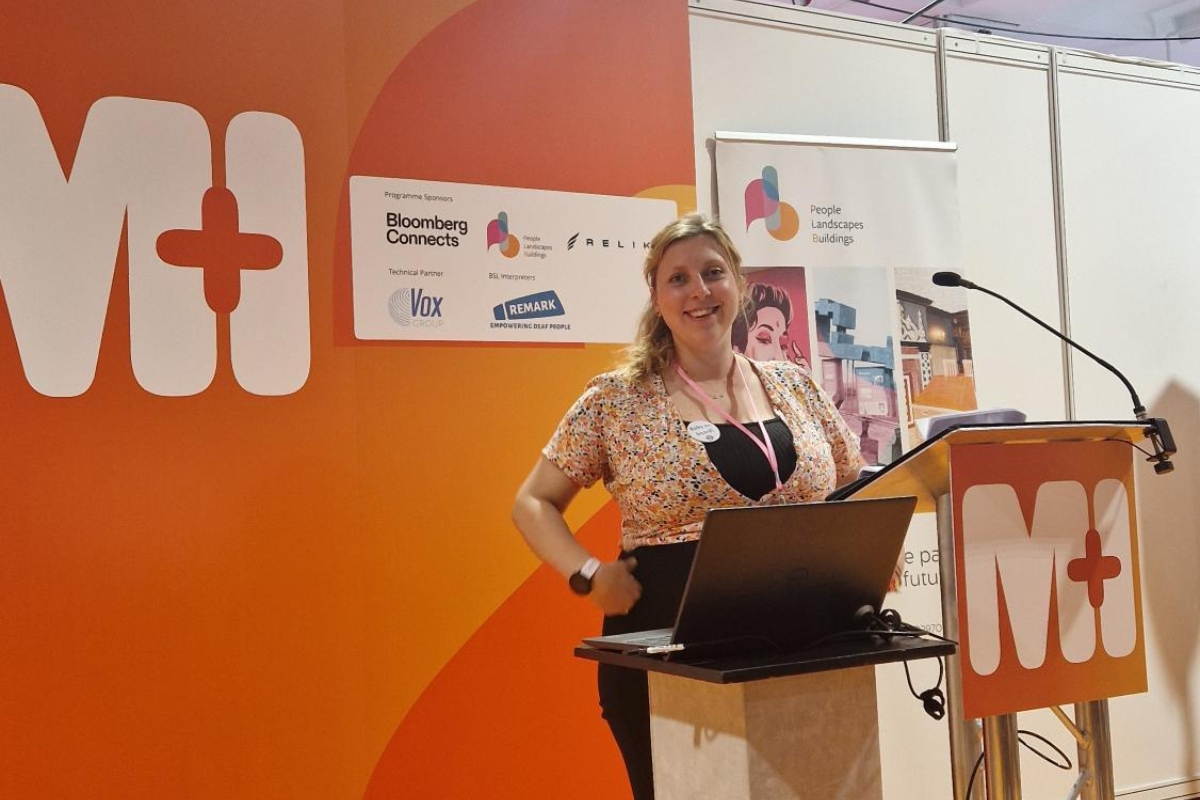
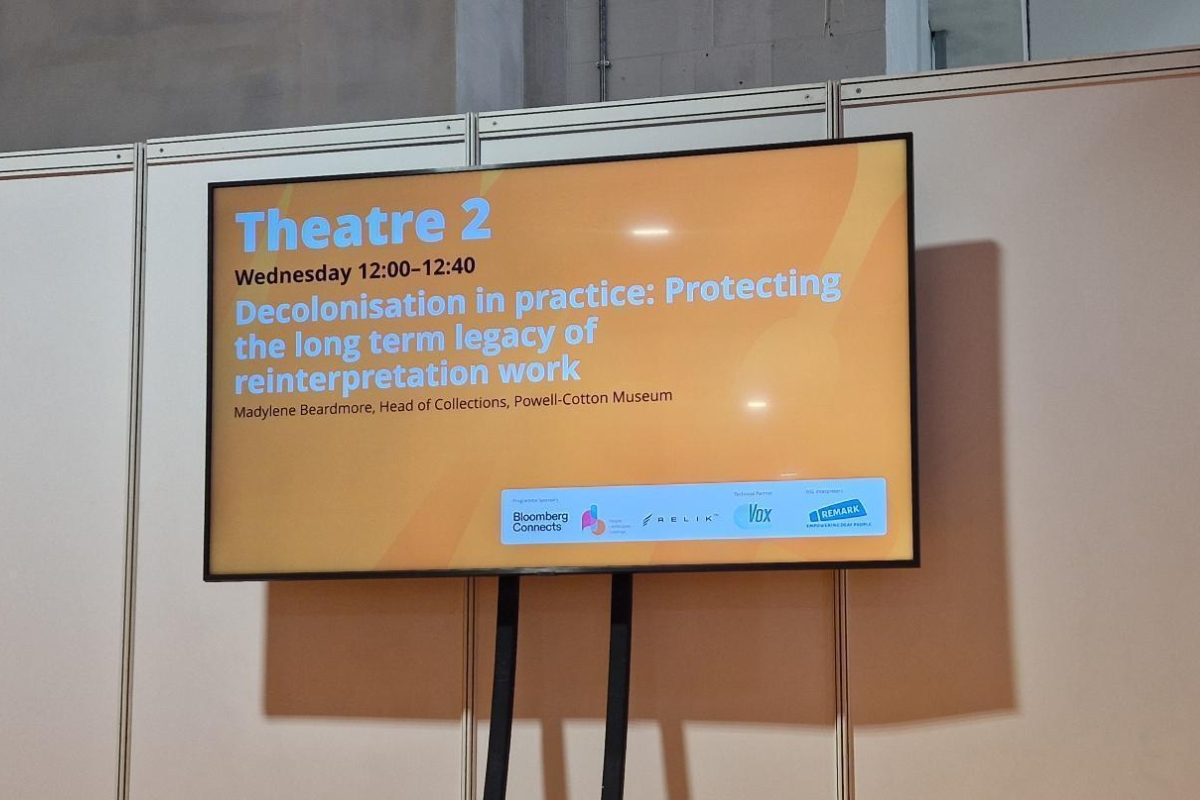
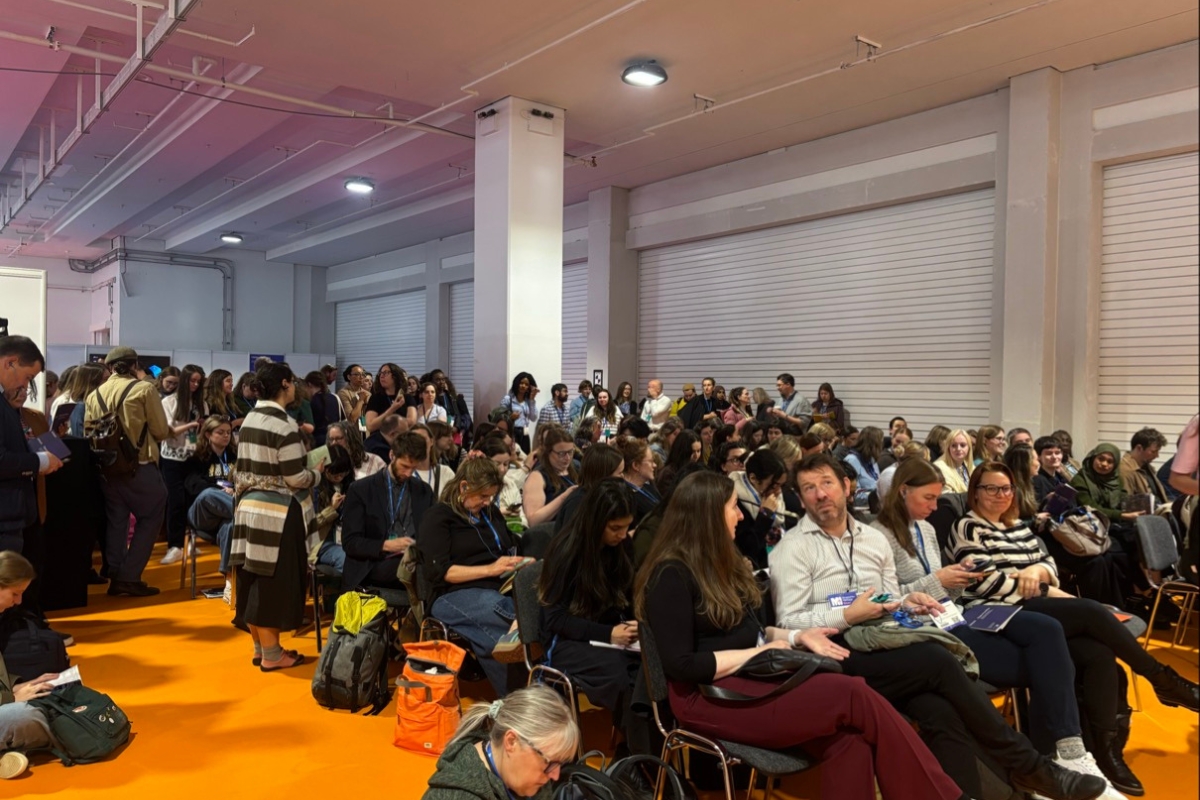
On 13 and 14 May, members of the collections and learning teams travelled to London Olympia for the Museum & Heritage Show, where many of the themes explored during our workshop continued in conversations across the sector.
On day one, Madylene Beardmore delivered a session titled Decolonisation in Practice: Protecting the Long-Term Legacy of Reinterpretation Work. The talk explored how decolonisation cannot be approached as a one-off project, but as an ongoing commitment that continues to shape how museums work with collections, communities and interpretation over time.
We were genuinely encouraged by the response to the session and by the thoughtful questions around sustainability, institutional change and embedding reinterpretation work into long-term museum practice. It was particularly valuable to continue conversations that had begun during our workshop only days earlier, now within the wider national context of the Museum & Heritage Show.
Across the two-day programme, discussions repeatedly returned to questions of relevance, resilience and audience engagement. Bernard Donoghue, CEO of the ALVA, shared the latest visitor sentiment insights, highlighting the growing importance of balancing critical institutional work with audiences’ desire for joyful and meaningful experiences.
Sessions from organisations including Birmingham Museums Trust also explored experimentation, learning and institutional change with honesty and openness that resonated strongly across the sector.
Day two included a fascinating panel discussion on the future of museum learning, featuring Dr Wanda Wyporska from Black Cultural Archives, Liberty Melly from Migration Museum and Paul Sapwell from Hampshire Cultural Trust. Hearing about the diverse work happening across the sector – alongside the shared challenges many organisations are facing – was insightful and reassuring.
Alongside the talks, the exhibition floor captured the same energy – cutting-edge museum cases, AI tools, innovative approaches to learning, and brilliantly quirky gift shop finds all on display.
But the best part was reconnecting with colleagues and friends across the sector. Those conversations about shared challenges, from climate resilience to valuing volunteers, reminded us why collaborative, forward-thinking practice matters so much right now.
We were also delighted to announce during the event that the Powell-Cotton Museum will host the Museum Ethnographers Group (MEG) Conference 2027.
We look forward to welcoming colleagues from across the sector once again and sharing more details in the future. Sign up to our newsletter for updates.
 GardensHouseMuseum
 GardensHouseMuseum
 GardensHouseMuseum
Whether you want to join a guided tour, explore the museum at your own pace, or just wander and see what you find, you can plan your day your way. Discover something new with each visit.
Answer a few simple questions to plan your day out and get recommendations of things to see!
