

Unlocking the Collections: Reflections on PCT100
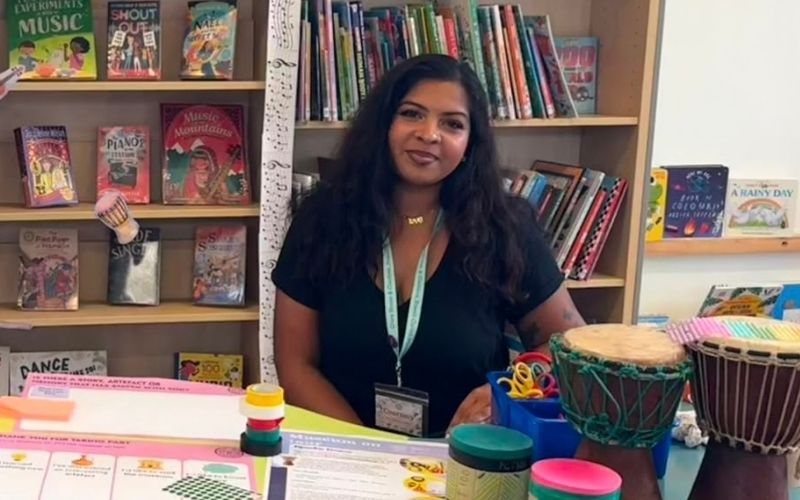
What happens when you invite people to see museum collections differently? Project Officer Courtney reflects on PCT100, and a year of unlocking collections through creativity and connection.
What happens when you invite people to see museum collections differently? Project Officer Courtney reflects on PCT100, and a year of unlocking collections through creativity and connection.
At its heart, PCT100 has asked a simple question: what happens when we unlock the collections and invite people to look at them differently?
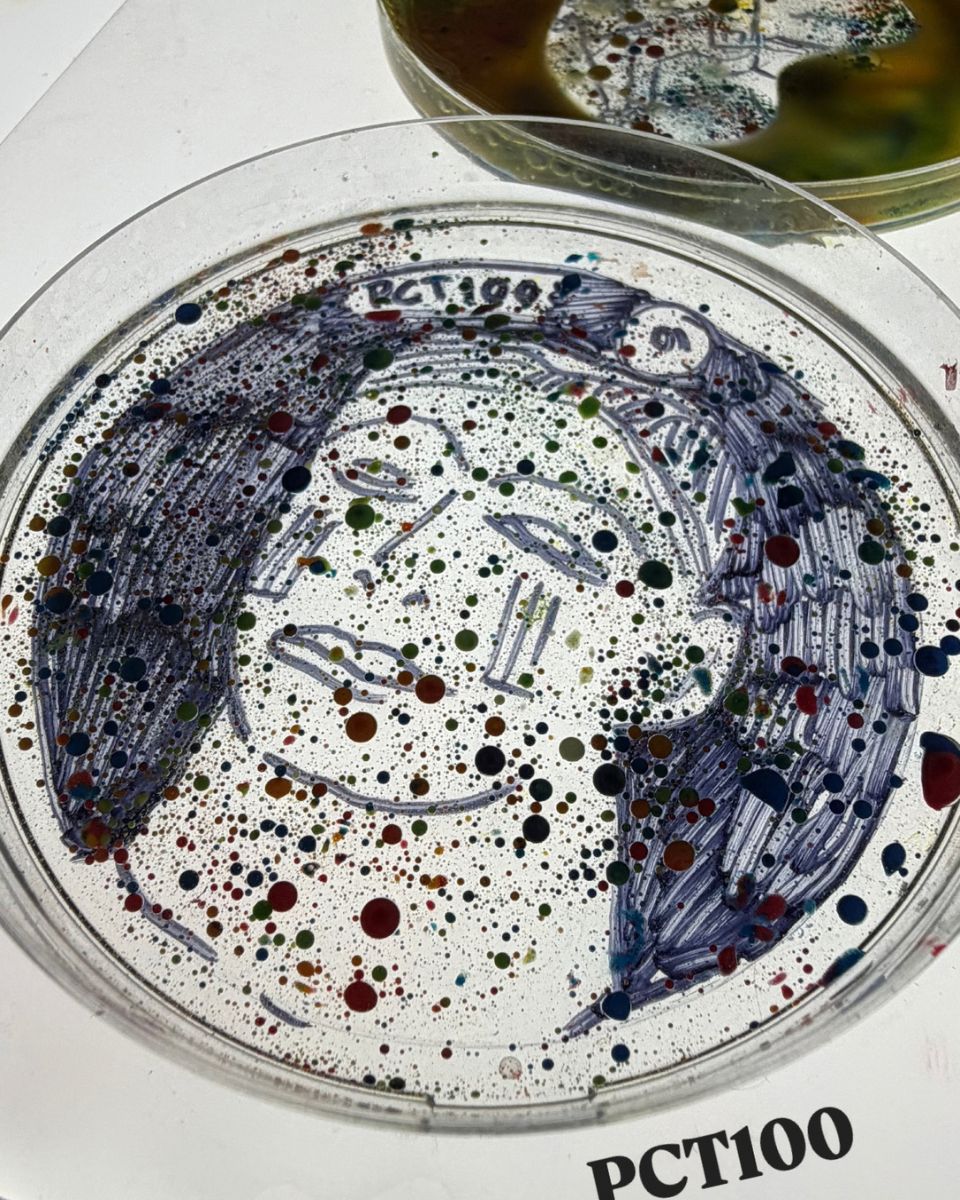
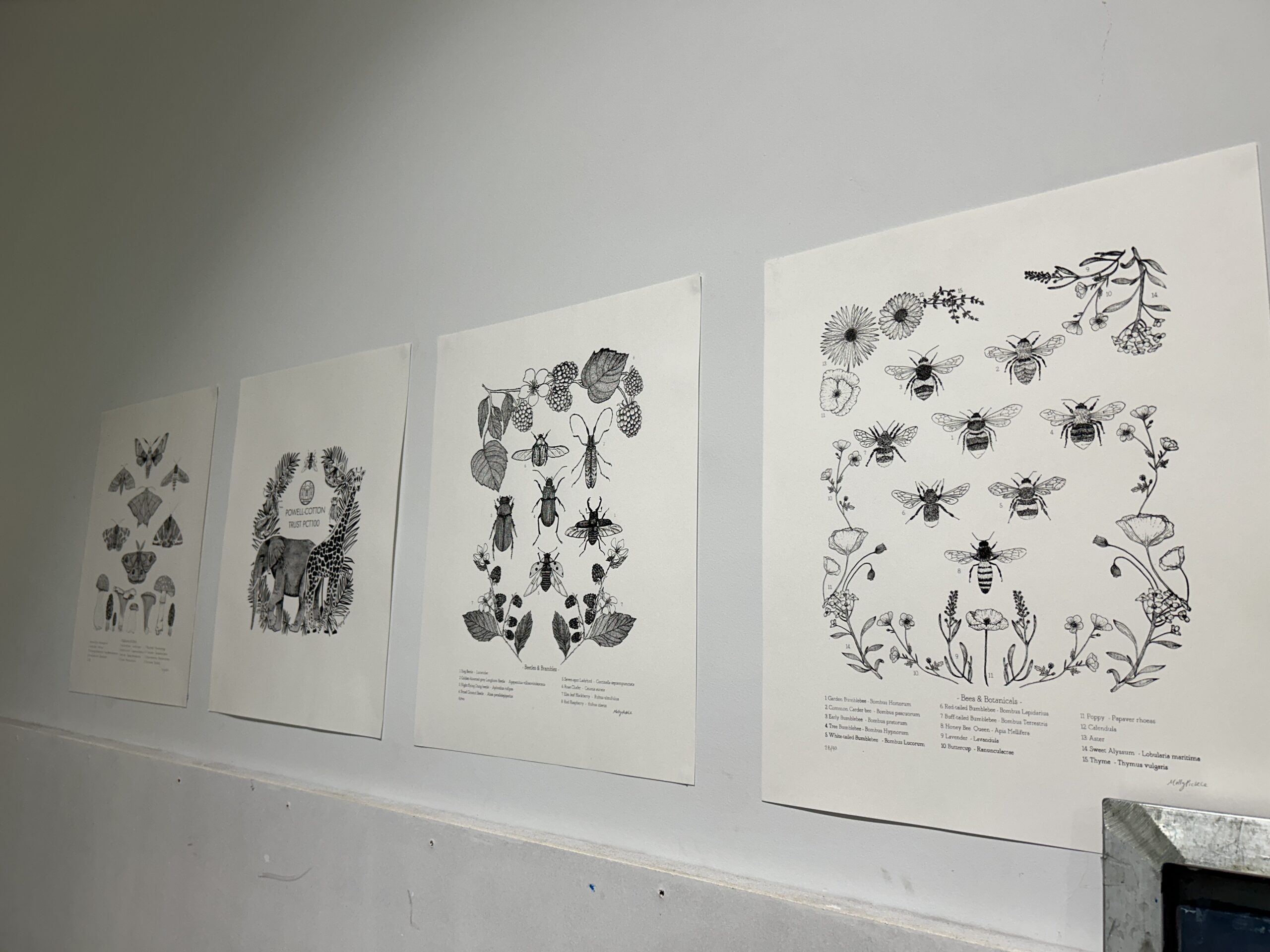
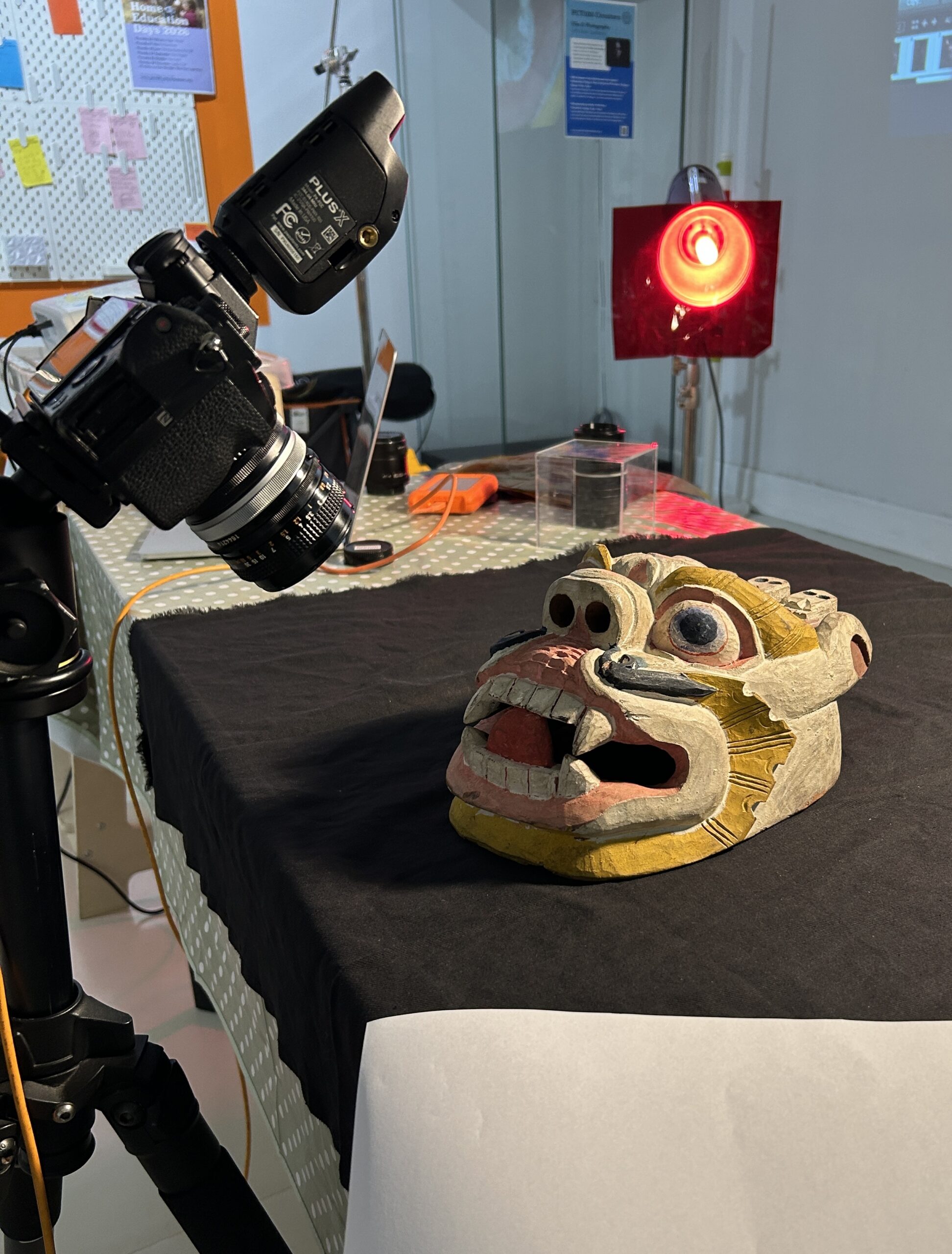
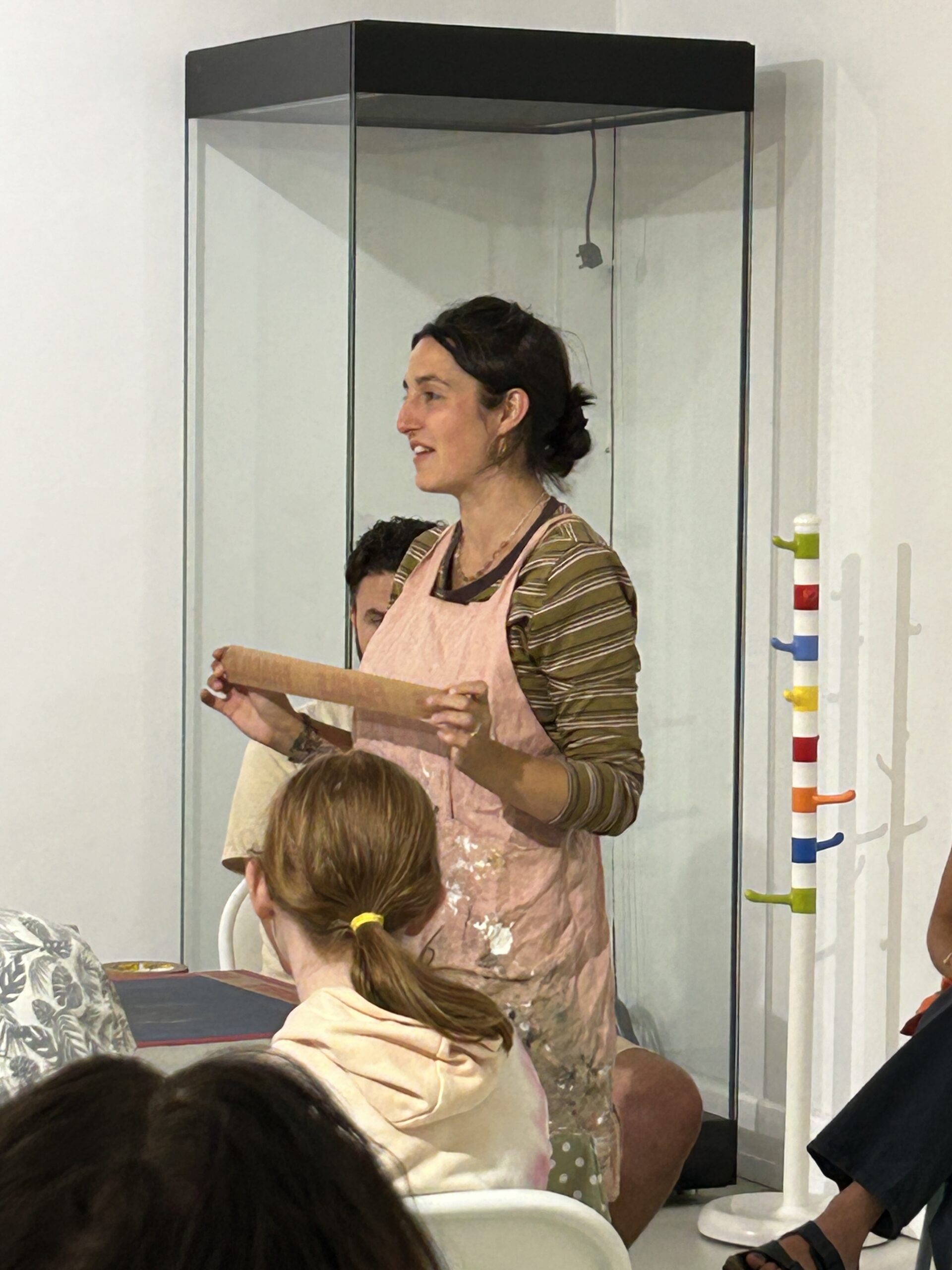
A central part of the project has been inviting contemporary artists to respond to the Powell-Cotton collections. Molly Pickle brought our natural history collections into the world of printmaking, encouraging us to slow down and notice the intricate patterns and forms of insects and other specimens. Julia Cort explored objects and materials through sculpture and making, inviting us to think about how collections can become starting points for new creative interpretations. Nomakhwezi Becker brought poetry, storytelling and call-and-response to the Zulu collections, creating space for voice, memory and perspectives that extend beyond the museum’s original narratives. Kevin Lawrence has brought his own creative perspective to the museum’s collections, specifically the family’s passion for photography, and we were invited to play with light, colour and perspective. Each artist approached the collections differently, and that difference has been one of the most exciting parts of the project. There isn’t one way to unlock a collection.
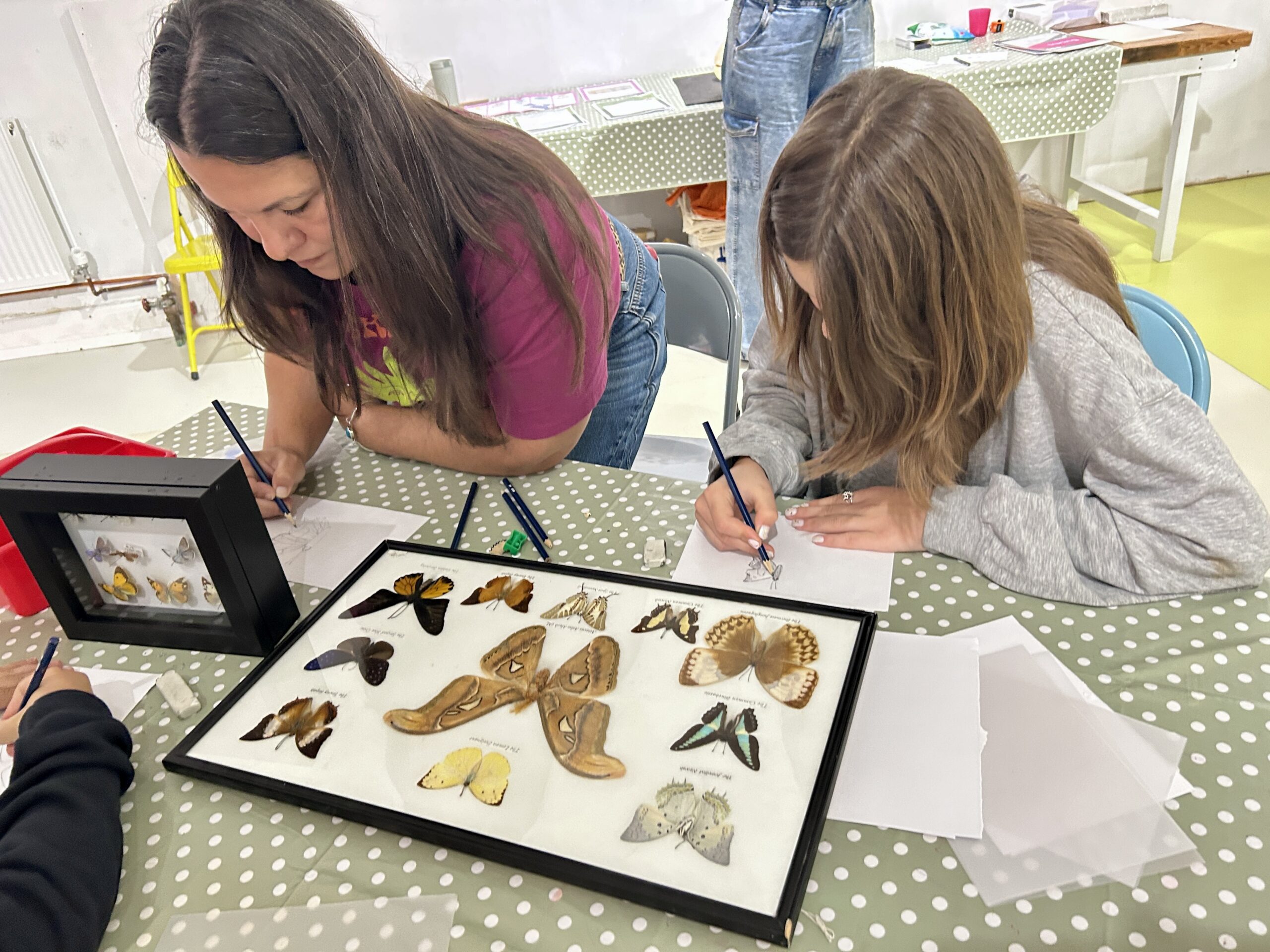
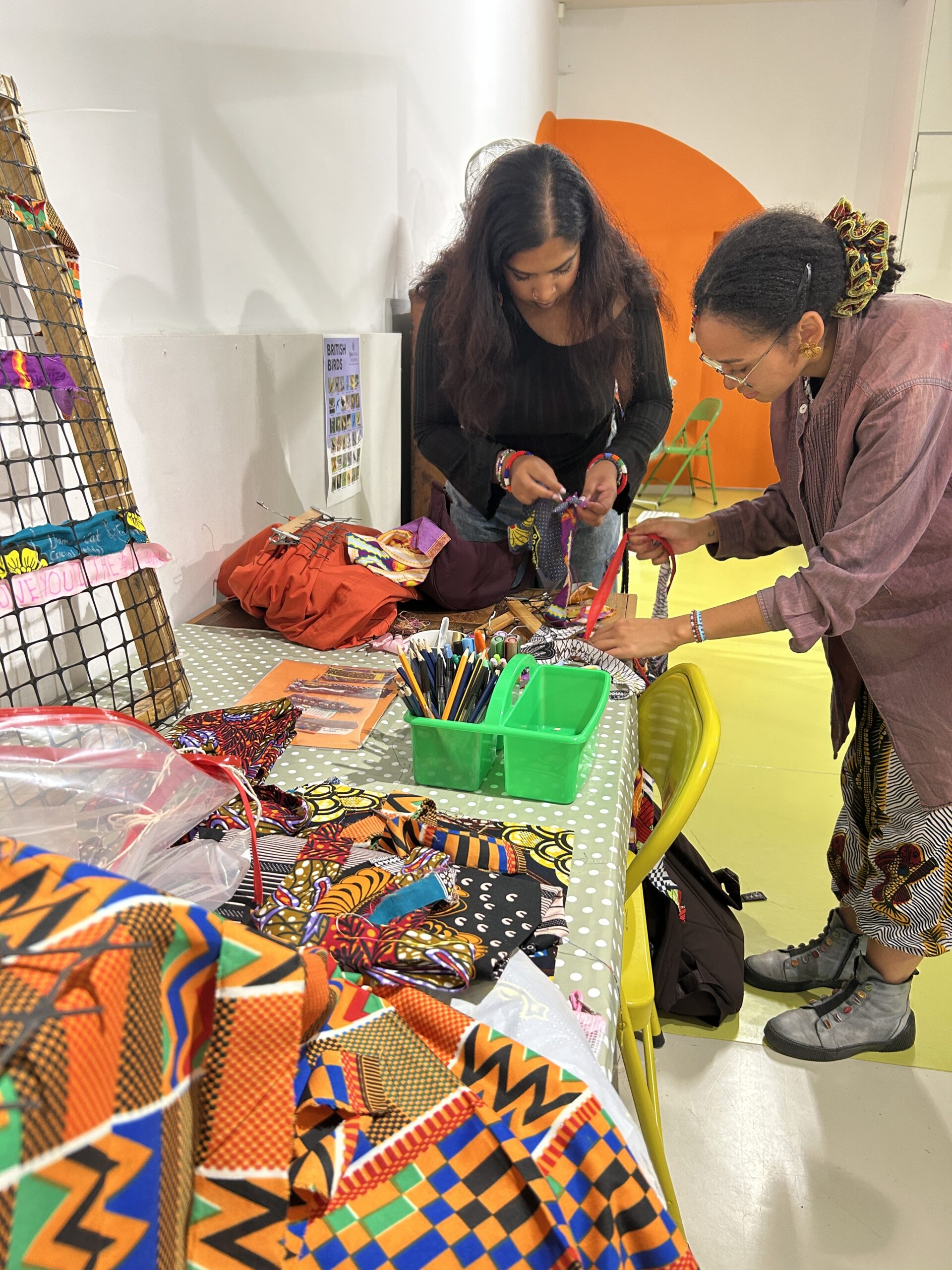
The project has also taken collections beyond the museum through workshops, school engagement and community activities. We have had the pleasure of collaborating with the Beaney, local libraries in Thanet, and I even had the privilege of presenting the project at the Young Leaders for Arts in Health conference at the centre for Positive Health Sciences in Dublin.
In our UK-Kenya school exchange, young people have used the black-and-white colobus monkey as a starting point for thinking about wildlife, conservation and our changing relationships with the natural world. A historic specimen becomes a way to ask questions about the environments we live in today and the futures we want to create. This has become one of the things I value most about museum work: collections can help us unlock the past, ask questions about the present and imagine different futures.
Working on PCT100 has also been an enormous learning experience for me. My background in Psychology, Qualitative research and Art History and Visual Culture has come together in ways I hadn’t expected, and I have grown enormously as both a researcher and museum educator. I’ve learned so much from working alongside artists, colleagues, schools and communities and from seeing how differently people make meaning from the same objects. I am particularly grateful to Emma-Jayne Hamlington, Head of Learning, whose hard work, encouragement and unfailing support brought me onto this incredible project and have helped me grow throughout it.
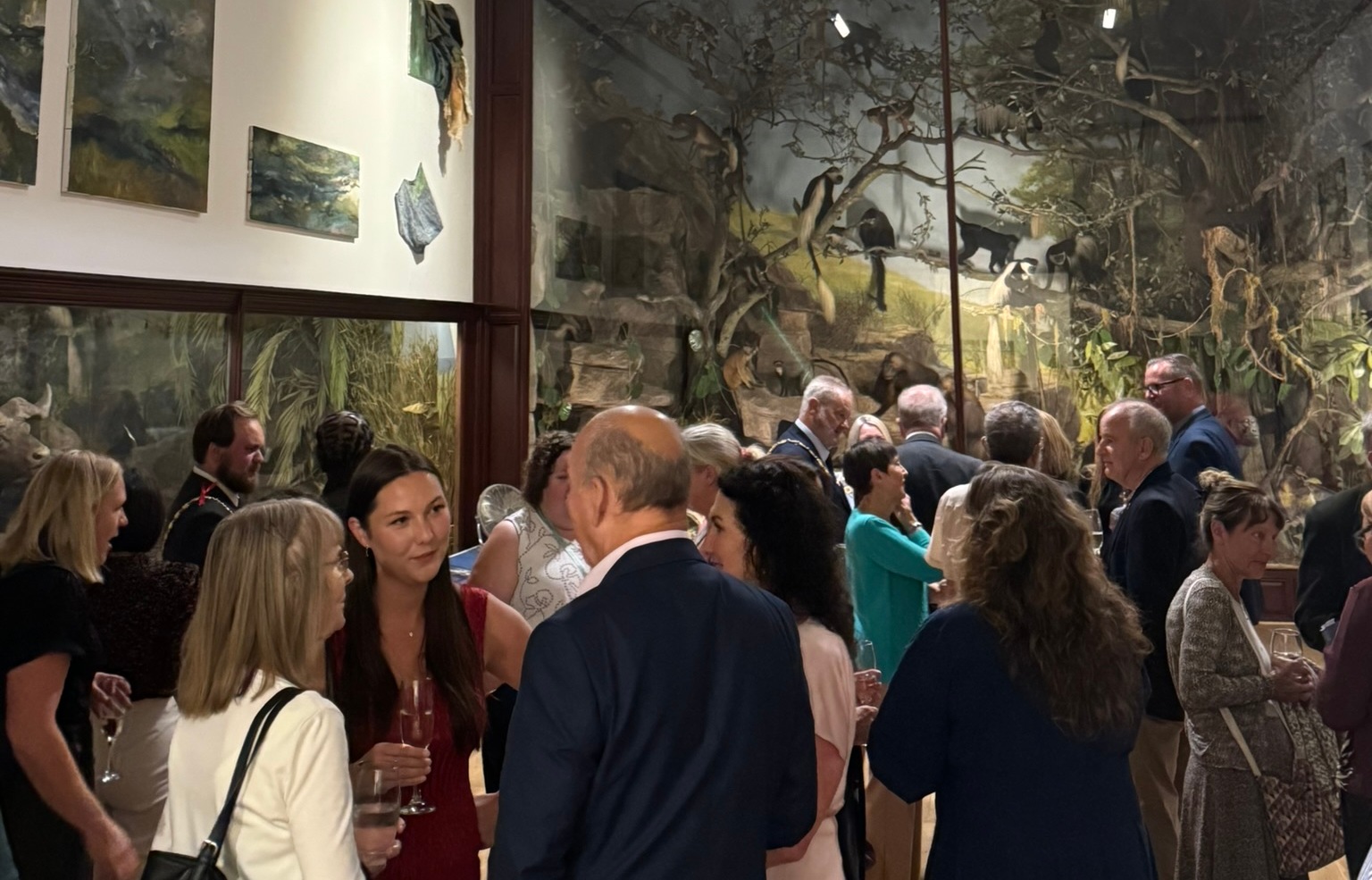
As PCT100 reaches its final stage, we are now turning to curating our October exhibition, PCT100 Then and Now, bringing together the artworks, stories and responses that have emerged throughout the project. For me, this feels like the perfect way to mark 100 years as a Trust, not simply by looking back at what we have collected, but by asking what those collections can continue to mean.
Sometimes unlocking a collection means giving people the opportunity to bring something new to it: new questions, new stories, new ways of seeing, and new possibilities for what a museum can become.
 GardensHouseMuseum
GardensHouseMuseum
GardensHouseMuseum
 GardensHouseMuseum
Whether you want to join a guided tour, explore the museum at your own pace, or just wander and see what you find, you can plan your day your way. Discover something new with each visit.
Answer a few simple questions to plan your day out and get recommendations of things to see!
